Alport Syndrome Market Size, Share & Demand Report By Treatment Type (Drug Therapy, Gene Therapy, Supportive Therapy), By Diagnosis Type (Genetic Testing, Kidney Biopsy, Biomarker-Based Diagnostics), By End User (Hospitals, Specialty Clinics, Diagnostic Laboratories) By Region & Segment Forecasts, 2025–2034
USD 3950
Market Overview
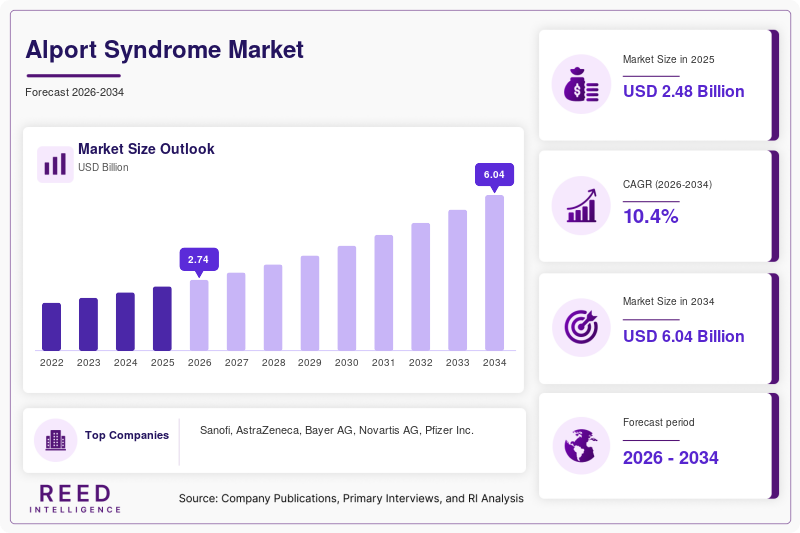
The global Alport Syndrome Market was valued at USD 2.48 billion in 2024 and is projected to reach USD 6.12 billion by 2033, expanding at a compound annual growth rate (CAGR) of 10.4% from 2025 to 2034. Growth in this market reflects the increasing recognition of rare genetic kidney disorders and the expansion of precision medicine approaches targeting hereditary nephropathies.
A key global factor supporting market growth has been the advancement in genetic diagnostic technologies. The availability of next-generation sequencing panels has significantly improved early detection of hereditary renal disorders such as Alport syndrome. Earlier diagnosis has led to greater patient identification and treatment initiation, increasing demand for targeted therapies, supportive care medications, and monitoring services. Pharmaceutical companies and research institutions are also investing in disease-modifying therapies and gene-based interventions, which is contributing to the expansion of the treatment landscape.
Key Highlights
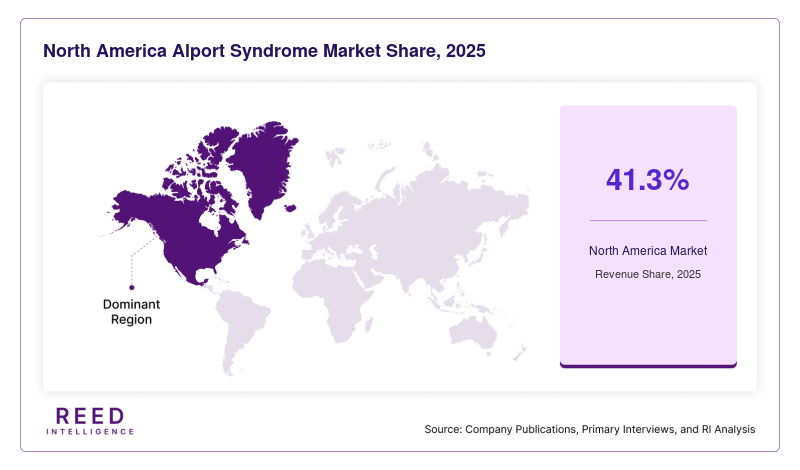
- Dominant Region: North America held 41.3% market share in 2025, while Asia Pacific is projected to grow at a CAGR of 12.8% through 2034.
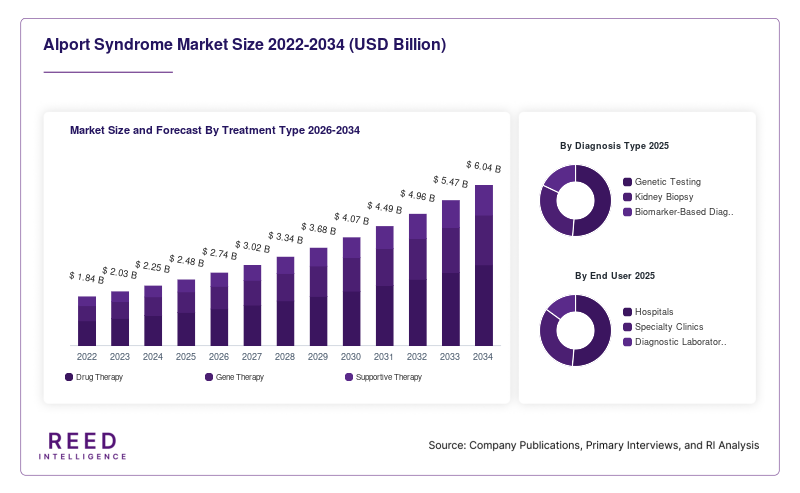
- Leading Segment: The drug therapy segment led the market with 55.6% share in 2024, while gene therapy treatments are expected to register the fastest growth with a CAGR of 14.1%.
- Dominant Country: The United States Alport Syndrome Market was valued at USD 0.94 billion in 2024 and increased to USD 1.02 billion in 2025, driven by expanding rare disease treatment coverage.
Market Trends
Rising Adoption of Precision and Gene-Based Therapies
The treatment landscape for Alport syndrome is gradually shifting toward precision medicine. Pharmaceutical and biotechnology companies are exploring gene replacement therapies and RNA-based interventions designed to address mutations in collagen type IV genes, which are responsible for the disease. Several investigational therapies are targeting the underlying genetic defect rather than focusing solely on symptom management. This trend reflects broader progress in rare disease therapeutics, where molecular-level treatments are becoming feasible due to advances in gene-editing platforms and targeted drug delivery technologies.
Clinical trial pipelines have expanded significantly in recent years, indicating a transition from traditional supportive therapies to disease-modifying treatments. Research institutions and pharmaceutical companies are also collaborating with genetic testing providers to identify eligible patients for precision treatment programs.
Increasing Integration of Digital Health and Remote Monitoring
Another emerging trend in the Alport Syndrome Market is the integration of digital health tools for patient monitoring and disease management. Remote monitoring platforms allow physicians to track kidney function, blood pressure, and proteinuria levels without requiring frequent hospital visits. This approach improves long-term disease management and enhances treatment adherence among patients with chronic kidney conditions.
Digital platforms also support clinical data collection for rare diseases, enabling healthcare providers to analyze patient outcomes and optimize therapy protocols. The use of digital health solutions is expected to play a growing role in patient care models for hereditary renal disorders.
Market Drivers
Growing Prevalence of Genetic Kidney Disorders
One of the major drivers of the Alport Syndrome Market growth is the increasing identification of hereditary kidney disorders worldwide. Genetic screening programs and family-based diagnostic testing have improved the detection rate of Alport syndrome. As awareness increases among nephrologists and genetic specialists, more patients are being diagnosed earlier in the disease progression.
Early detection allows healthcare providers to initiate treatments that slow kidney damage, thereby expanding the patient population receiving therapy. This shift toward early-stage disease management has increased demand for both pharmaceutical treatments and long-term monitoring services.
Expanding Rare Disease Research Funding
Government agencies and healthcare organizations have significantly increased funding for rare disease research. Programs focused on orphan drug development provide financial incentives and regulatory support for pharmaceutical companies developing therapies for conditions with limited treatment options.
These initiatives have stimulated research into novel treatment approaches for Alport syndrome. Biopharmaceutical firms are leveraging research grants, tax incentives, and expedited regulatory pathways to accelerate drug development. As more therapies progress through clinical trials, the Alport Syndrome Market size is expected to expand due to broader treatment availability.
Market Restraint
High Cost of Rare Disease Therapies
A major restraint affecting the Alport Syndrome Market is the high cost associated with rare disease treatments. Developing therapies for small patient populations requires significant investment in research, clinical trials, and regulatory approval processes. As a result, many treatments designed for rare diseases are priced at premium levels.
High therapy costs can limit accessibility, particularly in developing healthcare systems where insurance coverage for rare diseases may be limited. Patients often require lifelong treatment and monitoring, which further increases overall healthcare expenditure.
Healthcare providers and insurers must balance treatment availability with budget constraints. In some regions, reimbursement approvals can take extended periods, delaying patient access to innovative therapies. These economic barriers can slow market expansion despite the presence of advanced treatment technologies.
Efforts to address pricing challenges include expanded insurance coverage programs and value-based pricing models. However, cost remains a key barrier that may moderate the pace of market growth in certain regions.
Market Opportunities
Expansion of Genetic Screening Programs
The expansion of genetic screening initiatives presents a significant opportunity for the Alport Syndrome Market. Population-based genetic testing programs are being introduced in several countries to identify hereditary diseases at an early stage. Screening programs targeting families with a history of kidney disorders can significantly increase the number of diagnosed patients.
Early diagnosis enables physicians to implement treatment strategies before severe kidney damage occurs. This shift toward proactive disease management is expected to increase the demand for therapeutic interventions, diagnostic services, and long-term monitoring solutions.
Development of Targeted RNA Therapies
Another promising opportunity lies in the development of RNA-based therapeutic approaches. Researchers are exploring antisense oligonucleotide therapies designed to modify gene expression and reduce the effects of collagen gene mutations.
RNA therapies have gained attention due to their ability to target specific genetic pathways with precision. If clinical trials demonstrate favorable outcomes, these therapies could significantly expand treatment options for patients with Alport syndrome.
The introduction of targeted RNA therapies may also encourage investment in personalized medicine platforms, further strengthening the long-term Alport Syndrome Market outlook.
Segmental Analysis
By Treatment Type
The drug therapy segment dominated the Alport Syndrome Market in 2024, accounting for 55.6% of the total market share. This segment included angiotensin-converting enzyme inhibitors (ACE inhibitors), angiotensin receptor blockers, and supportive medications used to slow kidney damage. These therapies have remained the primary treatment option for managing Alport syndrome symptoms and delaying the progression of renal failure. Physicians commonly prescribe these medications to control proteinuria and hypertension, which are key clinical indicators in disease progression.
The gene therapy segment is projected to register the fastest CAGR of 14.1% between 2025 and 2034. This growth will be driven by the increasing number of experimental therapies designed to correct collagen gene mutations responsible for the disease. Gene replacement approaches are expected to focus on restoring normal collagen production in kidney tissues. As research institutions and biotechnology companies advance clinical trials for gene-based therapies, this segment will likely experience significant expansion in the coming years.
By Diagnosis Type
The genetic testing segment held the largest share of the Alport Syndrome Market, accounting for 47.2% in 2024. Genetic testing plays a critical role in confirming Alport syndrome by identifying mutations in COL4A3, COL4A4, or COL4A5 genes. Advances in next-generation sequencing technologies have improved testing accuracy and reduced turnaround time. As a result, physicians increasingly rely on genetic testing to establish a definitive diagnosis and to identify family members who may also carry the mutation.
The biomarker-based diagnostic segment is anticipated to grow at a CAGR of 12.3% during the forecast period. This segment includes emerging laboratory tests designed to detect early indicators of kidney damage associated with hereditary nephropathies. Biomarker diagnostics will likely gain traction due to their potential to identify disease progression before significant renal impairment occurs. The integration of biomarker testing into routine nephrology practice may enhance early disease management strategies.
By End User
The hospital segment accounted for the largest share of the Alport Syndrome Market in 2024, representing 52.8% of total revenue. Hospitals serve as the primary treatment centers for patients with hereditary kidney disorders, offering diagnostic testing, medication management, and long-term monitoring services. Specialized nephrology departments within hospitals provide multidisciplinary care, including genetic counseling and renal function monitoring.
The specialty clinic segment is expected to grow at a CAGR of 11.7% between 2025 and 2034. These clinics focus on treating rare diseases and chronic kidney disorders through targeted treatment programs. Specialty clinics often provide personalized treatment approaches and participate in clinical research programs, enabling patients to access investigational therapies. As the healthcare industry continues to emphasize specialized care models, specialty clinics will likely expand their role in managing Alport syndrome.
Regional Analysis
North America
North America accounted for 41.3% of the global Alport Syndrome Market share in 2025 and maintained the largest regional position. The market in this region is projected to grow at a CAGR of 10.1% through 2034. The presence of advanced healthcare infrastructure, established rare disease registries, and specialized nephrology centers supported the region’s leading market share.
The United States represented the dominant country within the region. The growth of the U.S. market has been supported by the presence of a structured orphan drug development ecosystem. Regulatory frameworks designed to accelerate rare disease treatment approvals have encouraged pharmaceutical companies to invest in therapies targeting hereditary kidney disorders. Additionally, collaboration between academic research institutions and biotechnology firms has supported the expansion of clinical research programs related to Alport syndrome.
Europe
Europe represented 27.5% of the global market share in 2025 and is expected to grow at a CAGR of 9.7% during the forecast period. The region has established networks for rare disease research and patient support programs, which have contributed to improved diagnosis and treatment adoption.
Germany emerged as the dominant country in the European market. The country’s growth has been supported by its strong nephrology research infrastructure and the presence of specialized kidney disease treatment centers. Germany also maintains national rare disease initiatives that focus on improving early diagnosis and access to treatment. These programs have helped increase patient awareness and facilitated the adoption of advanced diagnostic technologies.
Asia Pacific
Asia Pacific accounted for 18.6% of the global market share in 2025 and is forecast to grow at a CAGR of 12.8% through 2034, making it the fastest-growing regional market. The region’s growth outlook reflects expanding healthcare infrastructure and rising awareness of hereditary diseases.
China held the leading position within the Asia Pacific market. The country’s healthcare system has been expanding diagnostic capabilities in genetic testing laboratories. The increasing availability of genomic testing services has improved the detection of hereditary kidney diseases. As diagnostic capacity expands across urban hospitals and specialized research centers, the number of patients diagnosed with Alport syndrome is expected to increase.
Middle East & Africa
The Middle East & Africa accounted for 6.1% of the global market share in 2025 and is expected to grow at a CAGR of 8.4% during the forecast period. Growth in this region is influenced by gradual improvements in healthcare infrastructure and increasing investment in specialized medical services.
Saudi Arabia represented the dominant country within the regional market. The country has introduced healthcare modernization initiatives aimed at expanding specialized treatment services. Investments in advanced diagnostic laboratories and hospital infrastructure have improved access to genetic testing services, which supports the detection and management of hereditary diseases.
Latin America
Latin America captured 6.5% of the global Alport Syndrome Market share in 2025 and is projected to grow at a CAGR of 8.9% through 2034. The region’s market development has been supported by expanding public healthcare programs and increasing attention to rare disease treatment.
Brazil emerged as the leading country in the Latin American market. The growth of Brazil’s healthcare sector has enabled the expansion of nephrology treatment services and diagnostic laboratories. Medical universities and research institutions have also begun participating in international clinical research collaborations focused on rare kidney diseases. These collaborations have improved clinical knowledge and strengthened the availability of treatment protocols for hereditary nephropathies.
Competitive Landscape
The Alport Syndrome Market features a mix of pharmaceutical companies, biotechnology firms, and research-focused organizations involved in developing therapies for rare genetic kidney disorders. Market competition is influenced by research capabilities, clinical trial pipelines, and partnerships with healthcare institutions.
Sanofi is recognized as one of the leading companies in the market due to its involvement in rare disease research and therapeutic development. The company has expanded its research collaborations focused on hereditary nephropathies and genetic treatment platforms. A recent development includes the expansion of clinical research programs targeting kidney disease pathways associated with collagen gene mutations.
Other companies in the market are focusing on clinical trials and partnerships with academic institutions to advance therapeutic innovation. Strategic collaborations, licensing agreements, and research funding initiatives are common approaches used by industry participants to strengthen their market presence.
Key Players List
- Sanofi
- AstraZeneca
- Bayer AG
- Novartis AG
- Pfizer Inc.
- Regeneron Pharmaceuticals
- Amgen Inc.
- Alnylam Pharmaceuticals
- Roche Holding AG
- Travere Therapeutics
Recent Developments
- Several biotechnology companies initiated clinical trials for gene-based therapies targeting collagen gene mutations associated with Alport syndrome.
- Pharmaceutical firms expanded RNA therapy research programs to develop targeted treatments for hereditary kidney disorders.
- Diagnostic companies introduced advanced genetic testing panels designed to improve early detection of rare nephropathies.
- Healthcare institutions established rare disease patient registries to collect clinical data and improve treatment strategies.
- Strategic partnerships between biotechnology companies and research universities increased the development of precision medicine approaches for Alport syndrome.
Alport Syndrome Market Segments
By Treatment Type
- Drug Therapy
- Gene Therapy
- Supportive Therapy
By Diagnosis Type
- Genetic Testing
- Kidney Biopsy
- Biomarker-Based Diagnostics
By End User
- Hospitals
- Specialty Clinics
- Diagnostic Laboratories
By Region
- North America
- Europe
- APAC
- Middle East and Africa
- LATAM