Asbestosis Treatment Market Size, Share & Demand Report By Treatment Type (Oxygen Therapy, Corticosteroids, Bronchodilators, Antifibrotic Drugs, Pulmonary Rehabilitation, Others), By End Use (Hospitals, Specialty Respiratory Clinics, Home Healthcare Settings, Rehabilitation Centers), By Distribution Channel (Hospital Pharmacies, Retail Pharmacies, Online Pharmacies), By Region & Segment Forecasts, 2026–2034
USD 3950
Market Overview
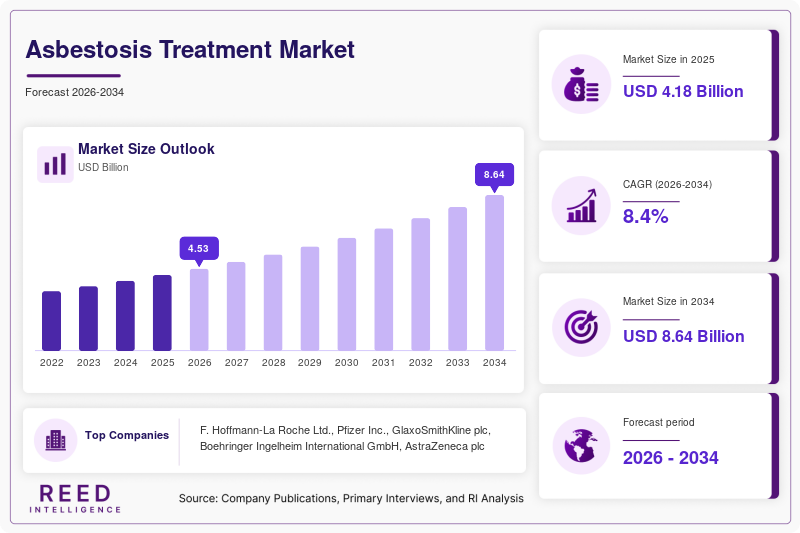
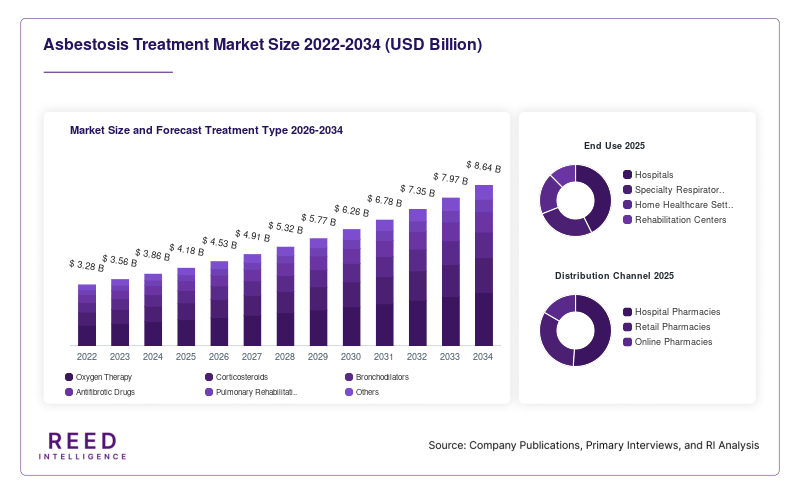
The global Asbestosis Treatment Market size was valued at USD 4.18 billion in 2026 and is projected to reach USD 7.96 billion by 2034, expanding at a CAGR of 8.4% during the forecast period from 2026 to 2034. The market continues to evolve due to the increasing prevalence of occupational lung disorders linked to prolonged asbestos exposure across construction, mining, shipbuilding, and industrial manufacturing sectors. Growing awareness regarding early diagnosis of chronic respiratory diseases and expanding healthcare expenditure in emerging economies are supporting market expansion. Pharmaceutical companies and healthcare institutions are also increasing investments in pulmonary fibrosis management therapies, oxygen therapy systems, and anti-inflammatory drug development.
The rising aging population worldwide has further contributed to market growth because older adults are more vulnerable to long-term respiratory complications caused by asbestos exposure. Governments and healthcare organizations are implementing occupational safety regulations and compensation programs that encourage affected individuals to seek medical treatment earlier. In addition, advancements in diagnostic imaging technologies and pulmonary rehabilitation programs are improving patient management outcomes and strengthening demand for supportive care therapies.
Key Highlights
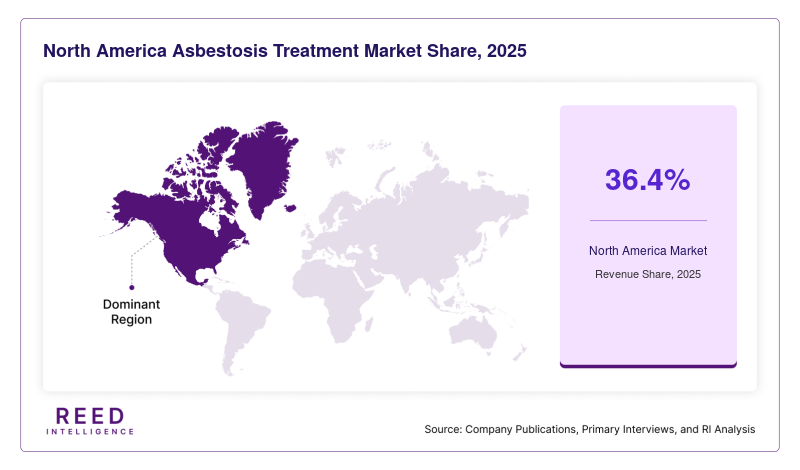
- North America dominated the market with a 36.4% share in 2025.
- Asia Pacific is expected to grow at the fastest CAGR of 10.9% during 2026–2034.
- By treatment type, oxygen therapy accounted for the largest share of 39.1%, while antifibrotic drugs are projected to grow at a CAGR of 11.6%.
- By end use, hospitals led with a 44.8% share, whereas specialty respiratory clinics are expected to expand at a CAGR of 10.8%.
- The United States remained the dominant country, with market values of USD 910 million in 2024 and USD 985 million in 2025.
Market Trends
Rising Adoption of Antifibrotic and Combination Therapies
The Asbestosis Treatment Market is experiencing increased demand for antifibrotic medications and combination-based treatment strategies designed to slow pulmonary tissue scarring and improve breathing capacity. Healthcare providers are increasingly combining corticosteroids, bronchodilators, pulmonary rehabilitation, and oxygen support to improve long-term patient outcomes. Physicians are also emphasizing personalized treatment plans based on disease severity, patient age, and exposure history. Pharmaceutical companies are investing in clinical research focused on fibrosis reduction therapies due to growing demand for effective disease management options. The trend is especially visible in developed healthcare systems where respiratory specialists are adopting advanced treatment protocols and digital monitoring systems to improve patient compliance and disease tracking.
Expansion of Home-Based Respiratory Care Services
The growing preference for home healthcare solutions has become an important trend shaping the Asbestosis Treatment Market. Patients with chronic respiratory disorders increasingly prefer long-term oxygen therapy and portable respiratory support systems that can be managed outside hospitals. Healthcare providers and insurance companies are encouraging home-based treatment models to reduce hospitalization costs and improve patient comfort. Technological improvements in portable oxygen concentrators and telemedicine platforms are supporting this transition. The trend is particularly strong among elderly populations requiring continuous respiratory assistance. Home healthcare providers are also expanding pulmonary rehabilitation services, remote monitoring solutions, and respiratory therapy consultations, which is creating additional revenue opportunities for medical device manufacturers and healthcare service providers.
Market Drivers
Growing Burden of Occupational Respiratory Diseases
The increasing incidence of occupational lung disorders remains a major factor driving the Asbestosis Treatment Market. Workers exposed to asbestos in industries such as mining, construction, insulation manufacturing, and shipbuilding continue to face elevated risks of chronic pulmonary diseases. Many countries are witnessing higher diagnosis rates due to improved screening initiatives and stricter occupational health regulations. Governments and labor organizations are also promoting awareness campaigns regarding asbestos-related illnesses, encouraging earlier diagnosis and treatment adoption. The growing recognition of asbestos exposure risks among healthcare professionals has strengthened demand for pulmonary rehabilitation programs, oxygen therapy, and supportive medications. The rising number of compensation claims related to workplace respiratory diseases is further contributing to increased healthcare spending on treatment services.
Advancements in Diagnostic and Pulmonary Care Technologies
Technological progress in respiratory disease diagnostics and pulmonary care systems is supporting market growth across developed and emerging economies. Advanced imaging technologies, pulmonary function testing systems, and biomarker-based diagnostic methods are enabling earlier identification of asbestosis and related lung complications. Early diagnosis helps healthcare providers initiate supportive therapies before severe pulmonary deterioration occurs. In addition, hospitals are adopting improved respiratory monitoring systems and non-invasive oxygen delivery technologies to enhance patient care. Pharmaceutical companies are also expanding research on anti-inflammatory and antifibrotic therapies aimed at reducing disease progression. These advancements are improving treatment accessibility, enhancing clinical outcomes, and encouraging healthcare institutions to invest in specialized respiratory care infrastructure.
Market Restraint
Limited Availability of Curative Therapies and High Long-Term Treatment Costs
The absence of definitive curative treatments remains a significant restraint for the Asbestosis Treatment Market. Current therapies primarily focus on symptom management, pulmonary rehabilitation, and supportive respiratory care rather than reversing lung fibrosis. This limitation reduces treatment effectiveness for patients with advanced disease stages and creates long-term dependency on oxygen therapy and chronic medication use. High treatment costs associated with prolonged hospitalization, respiratory monitoring, oxygen concentrators, and rehabilitation services also restrict patient access in low-income regions. Many developing countries continue to face inadequate respiratory care infrastructure and limited insurance coverage for chronic pulmonary disorders. In addition, delayed diagnosis remains common because symptoms often appear decades after asbestos exposure. This delay reduces treatment efficiency and increases disease management complexity. Small healthcare facilities in rural regions frequently lack advanced pulmonary diagnostic equipment, limiting timely intervention. The combination of high healthcare expenses and limited therapeutic breakthroughs continues to challenge broader market expansion despite growing disease awareness.
Market Opportunities
Increasing Investments in Pulmonary Fibrosis Research
The growing focus on pulmonary fibrosis research presents strong growth opportunities for the Asbestosis Treatment Market. Biotechnology companies, pharmaceutical manufacturers, and academic research institutions are investing in innovative therapies aimed at slowing fibrosis progression and improving respiratory function. Research programs targeting inflammatory pathways, tissue regeneration, and fibrosis inhibition are expanding rapidly due to increasing global respiratory disease burden. Governments and private organizations are also supporting clinical trials related to chronic lung disease treatment development. Emerging biologic therapies and precision medicine approaches are expected to create new commercial opportunities for market participants. As research progresses, healthcare providers may gain access to more effective treatment solutions that improve patient survival rates and reduce dependency on long-term oxygen therapy.
Expansion of Healthcare Infrastructure in Emerging Economies
Rapid healthcare infrastructure development in emerging economies is creating favorable opportunities for the Asbestosis Treatment Market. Countries across Asia Pacific, Latin America, and parts of the Middle East are investing in respiratory disease diagnosis centers, specialty pulmonary clinics, and advanced hospital facilities. Improved healthcare access is increasing diagnosis rates among previously underserved populations exposed to occupational asbestos risks. Public health initiatives focused on worker safety and respiratory screening are also supporting treatment adoption. The expansion of medical insurance coverage and government healthcare funding is helping patients access long-term respiratory therapies more easily. In addition, multinational pharmaceutical companies are increasing their presence in emerging markets through partnerships, distribution agreements, and localized manufacturing strategies, further strengthening market growth potential.
Segmental Analysis
By Treatment Type
Oxygen therapy emerged as the dominant subsegment within the Asbestosis Treatment Market and accounted for 39.1% of the market share in 2024. The widespread use of oxygen therapy is linked to its effectiveness in improving breathing efficiency and supporting patients with severe pulmonary impairment. Hospitals, home healthcare providers, and specialty respiratory clinics continue to increase adoption of oxygen concentrators and portable oxygen delivery systems for long-term respiratory management. The aging patient population and growing prevalence of chronic lung fibrosis are also supporting demand for continuous oxygen support solutions. In developed healthcare markets, reimbursement coverage for oxygen therapy services has strengthened patient access. Technological advancements in portable oxygen devices and remote respiratory monitoring systems are further improving patient convenience and treatment adherence.
Antifibrotic drugs are expected to register the fastest CAGR of 11.6% during the forecast period due to increasing research focused on slowing pulmonary fibrosis progression. Pharmaceutical companies are expanding investments in clinical studies evaluating novel therapies aimed at reducing inflammation and limiting scar tissue development in the lungs. The growing demand for disease-modifying treatments rather than symptom management alone is accelerating interest in this subsegment. Healthcare providers are increasingly prescribing combination therapies involving antifibrotic medications alongside pulmonary rehabilitation and respiratory support systems. Rising awareness regarding early intervention and the expansion of specialty respiratory clinics are also contributing to the rapid adoption of advanced pharmaceutical therapies across major healthcare markets.
By End Use
Hospitals accounted for the largest share of the Asbestosis Treatment Market in 2024, representing 44.8% of total revenue. Hospitals remain the primary treatment centers for patients requiring advanced pulmonary diagnostics, respiratory monitoring, and intensive supportive care. The increasing number of chronic respiratory disease admissions and the availability of multidisciplinary pulmonary care teams continue to strengthen hospital demand. Large healthcare facilities are investing in advanced imaging systems, oxygen delivery technologies, and respiratory intensive care units to improve treatment quality. Hospitals also benefit from stronger reimbursement systems and access to specialized respiratory physicians. In addition, many patients with severe asbestosis complications require hospitalization for infection management, pulmonary rehabilitation, and long-term respiratory assessment.
Specialty respiratory clinics are anticipated to grow at the fastest CAGR of 10.8% during the forecast period due to increasing preference for targeted pulmonary care services. These clinics provide focused respiratory disease management programs, including pulmonary rehabilitation, diagnostic evaluations, and personalized therapy plans. Rising patient awareness regarding chronic lung disease treatment options is encouraging greater utilization of specialty clinics. Healthcare systems are also supporting outpatient respiratory management to reduce hospital burden and healthcare costs. The expansion of telemedicine services and remote patient monitoring technologies is helping specialty clinics manage long-term respiratory conditions more efficiently. Increasing collaborations between pulmonologists, rehabilitation therapists, and diagnostic laboratories are further supporting rapid growth within this subsegment.
By Distribution Channel
Hospital pharmacies dominated the Asbestosis Treatment Market in 2024 and captured 42.6% of the overall market share. The dominance of hospital pharmacies is primarily linked to the high volume of prescription respiratory medications, corticosteroids, and oxygen therapy accessories distributed through hospital networks. Patients undergoing inpatient pulmonary care often rely on hospital pharmacies for immediate access to specialized medications and respiratory support products. Hospitals also maintain integrated supply chains that improve treatment coordination and medication availability. Growing hospitalization rates associated with chronic respiratory complications continue to support this segment. In addition, hospital pharmacies frequently collaborate with respiratory specialists to ensure proper medication management and patient monitoring for long-term pulmonary disease treatment.
Online pharmacies are projected to expand at the fastest CAGR of 12.1% during the forecast period due to the increasing digitalization of healthcare services and rising consumer preference for convenient medication access. Patients with chronic respiratory conditions are increasingly using online platforms to purchase prescription medications, oxygen therapy accessories, and pulmonary care products from home. The growth of e-commerce healthcare platforms and telemedicine consultations is further supporting this trend. Online pharmacies also offer competitive pricing, home delivery services, and improved medication accessibility for patients living in remote regions. Governments in several countries are implementing regulations to strengthen digital healthcare infrastructure, which is expected to accelerate adoption of online pharmaceutical distribution channels over the coming years.
Regional Analysis
North America
North America accounted for 36.4% of the global Asbestosis Treatment Market in 2025 and maintained its leadership position due to advanced healthcare infrastructure, high diagnosis rates, and significant awareness regarding occupational respiratory diseases. The region is projected to expand at a CAGR of 7.9% during the forecast period. Strong reimbursement frameworks and increased adoption of pulmonary rehabilitation programs continue to support market growth. Hospitals and respiratory care centers in the United States and Canada are rapidly integrating advanced oxygen therapy systems and respiratory monitoring technologies into chronic pulmonary disease management programs.
The United States remained the dominant country within North America because of its large patient population with historical asbestos exposure linked to industrial activities and shipbuilding operations. One major growth factor supporting the market is the expansion of government-backed occupational disease compensation programs that encourage early diagnosis and treatment access. Healthcare institutions are also increasing investments in home-based respiratory care solutions and telemedicine platforms. Pharmaceutical companies in the region are focusing on research collaborations aimed at developing antifibrotic therapies and improving chronic respiratory disease management outcomes.
Europe
Europe represented a significant share of the Asbestosis Treatment Market in 2025 due to strict workplace safety regulations and high awareness regarding asbestos-related respiratory disorders. The regional market is expected to register a CAGR of 8.1% from 2026 to 2034. Several European countries continue to report long-term health complications among workers previously exposed to asbestos in manufacturing and construction industries. Public healthcare systems across Western Europe are improving access to pulmonary rehabilitation services and respiratory disease management programs. Increased adoption of diagnostic imaging technologies and specialized respiratory clinics is also strengthening regional market expansion.
Germany emerged as the dominant country in the European market because of its strong healthcare spending and extensive occupational health monitoring systems. A unique factor supporting market growth in Germany is the increasing collaboration between public healthcare agencies and industrial employers to improve respiratory disease screening among retired workers. The country is also witnessing growing demand for portable oxygen concentrators and home-based respiratory therapies. In addition, pharmaceutical companies are expanding clinical studies focused on chronic pulmonary fibrosis management, which is contributing to continued market development.
Asia Pacific
Asia Pacific is expected to record the fastest growth in the Asbestosis Treatment Market, with a projected CAGR of 10.9% during the forecast period. The region is benefiting from rapid industrialization, rising healthcare investments, and growing awareness regarding occupational respiratory illnesses. Countries such as China, India, Japan, and South Korea are expanding pulmonary care infrastructure and increasing respiratory disease screening initiatives. The growing elderly population and rising incidence of chronic lung disorders are further contributing to demand for oxygen therapy systems, pulmonary rehabilitation services, and respiratory medications.
China dominated the Asia Pacific market due to its large industrial workforce and increasing diagnosis of asbestos-related respiratory conditions. A key growth factor driving the Chinese market is the government’s continued investment in expanding healthcare accessibility across urban and semi-urban regions. Hospitals are increasing adoption of advanced pulmonary diagnostic systems and respiratory monitoring equipment to manage chronic lung disease cases more effectively. In addition, local pharmaceutical companies are strengthening production capabilities for respiratory medications and supportive pulmonary care products, supporting broader treatment availability.
Middle East & Africa
The Middle East & Africa region accounted for a smaller but steadily expanding share of the Asbestosis Treatment Market in 2025 and is expected to grow at a CAGR of 7.4% through 2034. Increasing healthcare modernization and gradual improvement in occupational health standards are supporting regional growth. Several countries are expanding respiratory disease treatment infrastructure to address the growing burden of chronic pulmonary disorders. Rising healthcare awareness and improving diagnostic capabilities are also contributing to higher diagnosis rates. Demand for portable oxygen therapy equipment and respiratory support devices is increasing across urban healthcare facilities.
Saudi Arabia remained the dominant country within the Middle East & Africa market because of its ongoing healthcare sector investments and increasing focus on chronic disease management. One unique growth factor in the country is the expansion of specialized respiratory care centers under national healthcare transformation programs. The government is supporting modernization of hospital infrastructure and encouraging adoption of advanced diagnostic imaging systems. In addition, the increasing availability of private healthcare insurance is helping patients gain improved access to pulmonary rehabilitation services and long-term respiratory therapies.
Latin America
Latin America demonstrated stable growth within the Asbestosis Treatment Market in 2025 and is forecast to expand at a CAGR of 8.0% during the study period. The market is being supported by improving healthcare access and rising awareness regarding occupational lung disorders. Several countries are strengthening workplace safety regulations and increasing respiratory disease screening programs. Public hospitals and respiratory clinics are gradually adopting advanced pulmonary function testing systems and oxygen therapy technologies. The region is also witnessing rising demand for affordable respiratory medications and long-term supportive care services.
Brazil dominated the Latin American market due to its large population base and expanding healthcare infrastructure. A unique growth factor supporting the Brazilian market is the increasing involvement of public health organizations in conducting awareness campaigns regarding asbestos exposure risks and chronic respiratory disease prevention. The country is also experiencing higher investments in respiratory rehabilitation facilities and telemedicine services aimed at improving chronic disease management in remote areas. Growing partnerships between local healthcare providers and multinational pharmaceutical companies are further contributing to market expansion.
Competitive Landscape
The Asbestosis Treatment Market is moderately fragmented, with several global pharmaceutical companies, respiratory device manufacturers, and healthcare service providers competing through product innovation, strategic partnerships, and geographic expansion initiatives. Leading companies are focusing on pulmonary fibrosis research, respiratory monitoring technologies, and advanced oxygen therapy systems to strengthen market presence. Market participants are also investing in clinical studies aimed at developing improved treatment approaches for chronic respiratory disorders associated with asbestos exposure.
F. Hoffmann-La Roche Ltd. remained one of the leading players in the market due to its strong respiratory disease research portfolio and expanding investments in fibrosis-related therapies. The company recently increased its collaboration activities with pulmonary research institutions to accelerate the development of advanced treatment solutions for chronic lung disorders. Other major companies are emphasizing acquisitions, product approvals, and digital respiratory care solutions to improve competitive positioning.
Key Players
- F. Hoffmann-La Roche Ltd.
- Pfizer Inc.
- GlaxoSmithKline plc
- Boehringer Ingelheim International GmbH
- AstraZeneca plc
- Novartis AG
- Teva Pharmaceutical Industries Ltd.
- Merck & Co., Inc.
- Cipla Limited
- Sun Pharmaceutical Industries Ltd.
- 3M Health Care
- Koninklijke Philips N.V.
- Medtronic plc
- ResMed Inc.
- Invacare Corporation
Recent Developments
- In February 2026, Boehringer Ingelheim International GmbH expanded its pulmonary fibrosis research program focused on chronic occupational respiratory diseases and advanced antifibrotic treatment development.
- In July 2025, Koninklijke Philips N.V. launched an upgraded portable oxygen therapy system designed for long-term home respiratory care management among chronic lung disease patients.
- In October 2025, ResMed Inc. introduced a remote respiratory monitoring platform that enables healthcare providers to track oxygen therapy adherence and pulmonary performance in real time.
- In March 2026, AstraZeneca plc announced a strategic collaboration with respiratory research centers to evaluate combination therapy approaches for progressive pulmonary fibrosis conditions.
Asbestosis Treatment Market Segments
Treatment Type
- Oxygen Therapy
- Corticosteroids
- Bronchodilators
- Antifibrotic Drugs
- Pulmonary Rehabilitation
- Others
End Use
- Hospitals
- Specialty Respiratory Clinics
- Home Healthcare Settings
- Rehabilitation Centers
Distribution Channel
- Hospital Pharmacies
- Retail Pharmacies
- Online Pharmacies
By Region
- North America
- Europe
- APAC
- Middle East and Africa
- LATAM