Drive In Movie Theater Market Size, Share & Demand Report By Type (Traditional Drive-In Theaters, Pop-Up Drive-In Theaters), By Application (Movie Screenings, Event Hosting), By End-Use (Commercial Operators, Individual & Community Operators), By Region & Segment Forecasts, 2025–2034
USD 3950
Market Overview
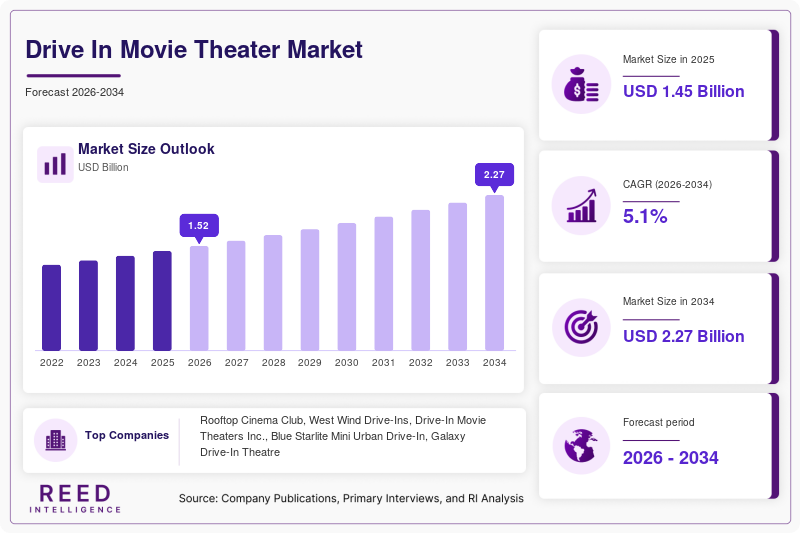
The global Drive In Movie Theater Market size is estimated at approximately USD 1.45 billion, with moderate expansion expected to reach USD 1.52 billion in 2026. Over the forecast period from 2025 to 2034, the market is projected to grow steadily, reaching around USD 2.38 billion by 2034, at a compound annual growth rate (CAGR) of 5.1%. This growth reflects a gradual transformation of traditional drive-in theaters into multi-functional entertainment venues that combine nostalgia with modern technology.
One of the primary growth factors is the increasing consumer inclination toward socially distanced and outdoor entertainment formats. Even after the pandemic period, audiences continue to value open-air experiences that offer comfort and safety. Additionally, technological advancements such as digital projection systems, improved audio transmission through FM radio, and LED screens have enhanced viewing quality, making drive-in theaters more appealing to a wider demographic.
Key Highlights
- Market size estimated at USD 1.45 billion in 2025 and USD 1.52 billion in 2026, growing at around 4.8% YoY, supported by increasing ticket demand and higher per-vehicle spending.
- Forecasted to reach USD 2.38 billion by 2034 at a CAGR of 5.1%, with global installations expected to surpass 8,500 screens and steady expansion across emerging markets.
- Growth driven by outdoor entertainment demand, technological upgrades, and diversified offerings, with over 55% consumer preference for experiential formats and 20–25% improvement in satisfaction levels.
- Increasing investment in multi-purpose drive-in venues, with funding rising by ~18% annually and nearly 40% of new projects integrating event-based revenue models.
Market Trends
Integration of Digital Technologies in Outdoor Cinema
The adoption of digital projection systems and advanced audio technologies is reshaping the drive-in movie theater market. Modern drive-in venues are replacing traditional film reels with high-definition digital projectors that deliver improved picture clarity and consistency. Additionally, FM radio-based audio systems allow viewers to experience synchronized sound directly through their car speakers, eliminating the need for external equipment. This technological integration enhances customer satisfaction and aligns drive-in theaters with contemporary entertainment standards. Operators are also exploring mobile app integration for ticket booking, food ordering, and real-time updates, which improves operational efficiency and user convenience. These advancements are helping drive-in theaters compete with indoor multiplexes while maintaining their unique outdoor appeal.
Expansion of Multi-Use Entertainment Spaces
Drive-in theaters are increasingly evolving into multi-purpose venues that host a variety of events beyond movie screenings. Operators are utilizing large open spaces to organize live concerts, sports broadcasts, gaming events, and cultural festivals. This diversification enables businesses to maximize asset utilization and generate revenue throughout the year. The trend is particularly evident in urban and semi-urban areas where land availability supports large-scale outdoor events. Additionally, partnerships with food trucks, local vendors, and event organizers enhance the overall customer experience. This transformation into hybrid entertainment hubs is attracting a broader audience base and contributing to sustained market growth.
Market Drivers
Rising Demand for Experiential and Nostalgic Entertainment
The growing consumer preference for experiential entertainment is a key driver of the drive-in movie theater market. Unlike conventional cinemas, drive-in theaters offer a unique blend of nostalgia and novelty that appeals to multiple generations. Families, couples, and groups of friends are increasingly seeking memorable experiences that combine entertainment with social interaction. Drive-in theaters provide a relaxed environment where audiences can enjoy movies from the comfort of their vehicles while engaging in social activities. This distinctive value proposition is driving repeat visits and customer loyalty. Additionally, the resurgence of retro-themed entertainment and vintage culture has further boosted interest in drive-in theaters, making them a popular choice for themed events and gatherings.
Cost-Effective Business Model and Flexible Operations
Drive-in theaters benefit from a relatively cost-efficient operational model compared to traditional indoor cinemas. The absence of large indoor infrastructure, lower staffing requirements, and reduced maintenance costs contribute to higher profit margins. This affordability makes it easier for new entrants to establish drive-in venues, particularly in suburban and rural areas where land costs are lower. Moreover, the flexible nature of operations allows operators to adjust screening schedules, ticket pricing, and event offerings based on demand. This adaptability enhances business resilience and enables operators to respond effectively to changing market conditions, thereby supporting steady market growth.
Market Restraint
Dependence on Weather Conditions and Seasonal Variability
One of the primary challenges facing the drive-in movie theater market is its heavy dependence on weather conditions. Unlike indoor cinemas, drive-in theaters are directly affected by rain, extreme temperatures, and adverse weather events, which can disrupt operations and reduce attendance. Seasonal variability also plays a significant role, with higher footfall during warmer months and limited activity during colder or rainy seasons. This fluctuation in demand can impact revenue consistency and profitability for operators.
The industry impact of this restraint is particularly evident in regions with unpredictable weather patterns. For example, drive-in theaters in areas with extended monsoon seasons or harsh winters may experience prolonged periods of inactivity, leading to financial strain. Operators often need to invest in weather-resistant infrastructure, such as durable screens and drainage systems, to mitigate these challenges. However, such investments can increase initial capital costs. Despite these limitations, some operators are addressing this issue by diversifying their offerings, including hosting indoor events or seasonal festivals, to maintain revenue streams throughout the year.
Market Opportunities
Growth in Emerging Markets and Urban Expansion
Emerging economies present significant growth opportunities for the drive-in movie theater market due to increasing urbanization and rising disposable incomes. As cities expand and suburban areas develop, there is a growing demand for accessible and affordable entertainment options. Drive-in theaters can capitalize on this trend by establishing venues in newly developed regions where traditional cinemas may be limited. Additionally, government initiatives promoting tourism and cultural activities in certain countries are creating favorable conditions for the establishment of outdoor entertainment venues. This expansion into untapped markets is expected to drive long-term growth and increase global market penetration.
Collaboration with Streaming Platforms and Content Providers
The increasing popularity of digital streaming platforms presents an opportunity for drive-in theaters to collaborate with content providers. By hosting exclusive screenings, premieres, or curated content events, drive-in theaters can attract audiences seeking unique viewing experiences. These collaborations can also include themed nights, such as classic movie marathons or series-based events, which enhance audience engagement. Furthermore, partnerships with streaming platforms can enable drive-in theaters to access a diverse content library, reducing dependency on traditional film distribution channels. This strategic approach not only expands revenue streams but also strengthens the market position of drive-in theaters in the evolving entertainment landscape.
Segmental Analysis
By Type
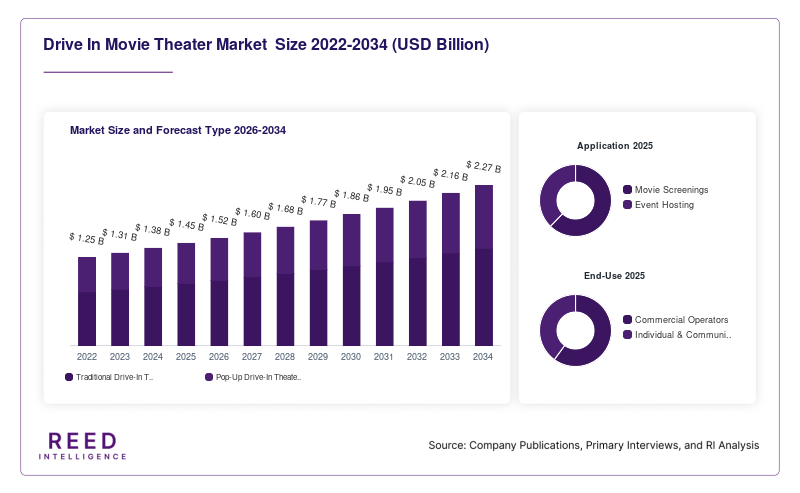
The traditional drive-in theater segment dominated the market in 2024, accounting for approximately 62% of the total share. These theaters are characterized by permanent infrastructure, including large projection screens and designated parking spaces. Their dominance is attributed to their established presence and ability to offer consistent viewing experiences. Traditional drive-in theaters often incorporate modern technologies such as digital projection and FM audio systems, enhancing customer satisfaction. Additionally, their capacity to host large audiences makes them a preferred choice for operators seeking stable revenue streams.
Pop-up drive-in theaters are emerging as the fastest-growing segment, with an expected CAGR of 6.8% during the forecast period. These temporary setups are gaining popularity due to their flexibility and lower initial investment requirements. Pop-up theaters can be established in various locations, including parking lots, open fields, and urban spaces, allowing operators to target diverse audiences. Their adaptability enables quick response to market demand, making them an attractive option for event organizers and small businesses.
By Application
Movie screenings remained the dominant application segment in 2024, holding a market share of approximately 70%. This segment benefits from the core function of drive-in theaters as entertainment venues for film viewing. The consistent demand for new movie releases and classic film screenings supports its dominance. Additionally, partnerships with film distributors and content providers ensure a steady supply of content, attracting a wide audience base.
Event hosting is the fastest-growing application segment, with a projected CAGR of 6.5%. Drive-in theaters are increasingly being used for concerts, sports screenings, and community events. This diversification enhances revenue potential and reduces dependence on movie screenings alone. The ability to host large-scale events in open spaces provides a competitive advantage, especially in regions with high demand for outdoor entertainment.
By End-Use
Commercial operators dominated the end-use segment in 2024, accounting for approximately 68% of the market share. These operators manage established drive-in theaters and focus on maximizing profitability through ticket sales, concessions, and event hosting. Their dominance is supported by strong brand presence and operational expertise. Commercial operators also invest in technological upgrades and marketing strategies to attract a larger audience.
Individual and community-based operators represent the fastest-growing segment, with a CAGR of 6.2%. This growth is driven by increasing interest in local and community-driven entertainment initiatives. Small-scale operators are leveraging affordable setups and partnerships with local businesses to establish drive-in theaters. This segment plays a crucial role in expanding market reach, particularly in underserved areas.
Regional Analysis
North America
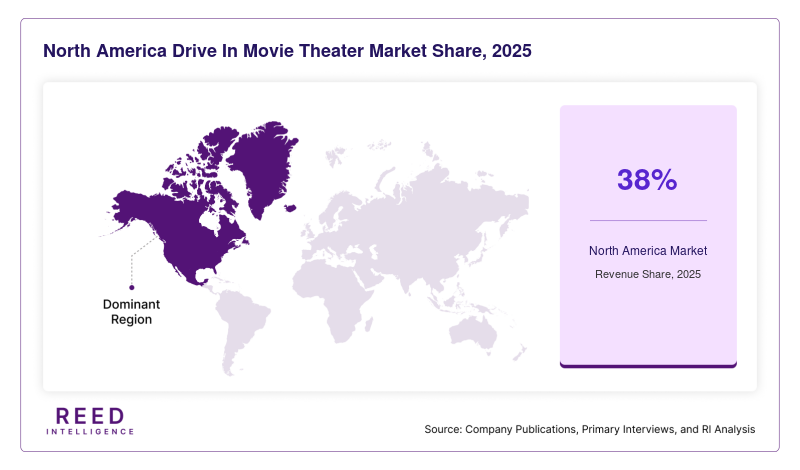
North America held the largest share of the drive-in movie theater market in 2025, accounting for approximately 38% of the global revenue. The region is expected to maintain steady growth with a CAGR of around 4.6% during the forecast period. The presence of established drive-in infrastructure, coupled with strong consumer nostalgia, supports market stability. Additionally, technological upgrades and diversified entertainment offerings contribute to sustained demand across the region.
The United States dominates the North American market due to its long-standing drive-in culture and extensive network of theaters. A key growth factor is the increasing integration of drive-in venues with food and beverage services, including gourmet concessions and food trucks. This enhances the overall customer experience and encourages repeat visits, thereby supporting revenue growth.
Europe
Europe accounted for approximately 22% of the global market share in 2025 and is projected to grow at a CAGR of 5.0% through 2034. The market is driven by rising interest in outdoor cultural events and cinema experiences. Several countries are investing in temporary and pop-up drive-in theaters, especially during peak tourist seasons, which contributes to market expansion.
Germany leads the European market, supported by a strong entertainment culture and frequent outdoor events. A unique growth factor is the increasing use of drive-in theaters for film festivals and cultural screenings. This approach attracts both local audiences and tourists, boosting market visibility and revenue potential across the region.
Asia Pacific
Asia Pacific held around 20% of the global market share in 2025 and is expected to register the fastest growth, with a CAGR of 6.3% during the forecast period. Rapid urbanization, increasing disposable income, and growing demand for innovative entertainment formats are key factors driving regional growth. The expansion of suburban areas provides ample space for drive-in theater development.
China dominates the Asia Pacific market, driven by large-scale infrastructure development and a growing middle-class population. A notable growth factor is the increasing adoption of drive-in theaters for community events and social gatherings. This trend enhances market penetration and supports long-term growth in the region.
Middle East & Africa
The Middle East & Africa region accounted for approximately 10% of the global market share in 2025 and is projected to grow at a CAGR of 5.4%. The market is supported by rising investments in tourism and entertainment infrastructure. Outdoor cinema experiences are gaining popularity, particularly in urban centers and tourist destinations.
The United Arab Emirates leads the regional market due to its strong focus on entertainment and tourism development. A unique growth factor is the integration of drive-in theaters with luxury experiences, including premium seating and high-end dining options. This approach attracts affluent consumers and enhances market value.
Latin America
Latin America held around 10% of the global market share in 2025 and is expected to grow at a CAGR of 5.2% over the forecast period. The market is driven by increasing demand for affordable entertainment options and the revival of traditional cinema formats. Several countries are witnessing the re-establishment of drive-in theaters after years of decline.
Brazil dominates the Latin American market, supported by a large population and growing interest in outdoor entertainment. A key growth factor is the use of drive-in theaters for community engagement and local events. This fosters strong audience participation and contributes to market expansion.
Competitive Landscape
The drive-in movie theater market is moderately fragmented, with a mix of established players and emerging operators. Key companies are focusing on technological upgrades, strategic partnerships, and diversification of services to maintain competitiveness. One of the leading players, Rooftop Cinema Club, has expanded its portfolio by incorporating drive-in formats alongside rooftop screenings. A recent development includes the introduction of hybrid venues that combine drive-in and walk-in seating options, catering to diverse audience preferences.
Other major companies are investing in digital projection systems and enhancing customer experiences through improved amenities. Partnerships with food and beverage providers, as well as event organizers, are also common strategies adopted by market players. The competitive landscape is expected to evolve further as new entrants explore innovative business models and expand into emerging markets.
Key Players
- Rooftop Cinema Club
- Drive-In Movie Theaters Inc.
- West Wind Drive-Ins
- Outdoor Cinema LLC
- Galaxy Drive-In Theatre
- Starlight Drive-In
- Mission Tiki Drive-In Theatre
- Skyview Drive-In
- Fiesta Drive-In Theatre
- Harvest Moon Twin Drive-In
- Electric Dusk Drive-In
- Sunset Cinema Club
- Blue Starlite Mini Urban Drive-In
- Moonlight Drive-In
- Silver Moon Drive-In
Recent Developments
- In 2025, Rooftop Cinema Club launched hybrid drive-in venues combining traditional and outdoor seating formats.
- In 2024, West Wind Drive-Ins upgraded multiple locations with digital projection and enhanced audio systems.
- In 2025, Blue Starlite Mini Urban Drive-In expanded into new urban markets with pop-up theater models.
Drive In Movie Theater Market Segments
Type
- Traditional Drive-In Theaters
- Pop-Up Drive-In Theaters
Application
- Movie Screenings
- Event Hosting
End-Use
- Commercial Operators
- Individual & Community Operators
By Region
- North America
- Europe
- APAC
- Middle East and Africa
- LATAM