Exocrine Pancreatic Insufficiency Therapeutics Market Size, Share & Demand Report By Drug Class (Pancreatic Enzyme Replacement Therapy, Nutritional Support Therapies, Antacid Therapies, Combination Therapies), By Indication (Chronic Pancreatitis, Cystic Fibrosis, Pancreatic Cancer, Diabetes-Associated Pancreatic Insufficiency, Post-Surgical Pancreatic Disorders), By Distribution Channel (Hospital Pharmacies, Retail Pharmacies, Online Pharmacies, Specialty Pharmacies) By Region & Segment Forecast
USD 3950
Market Overview
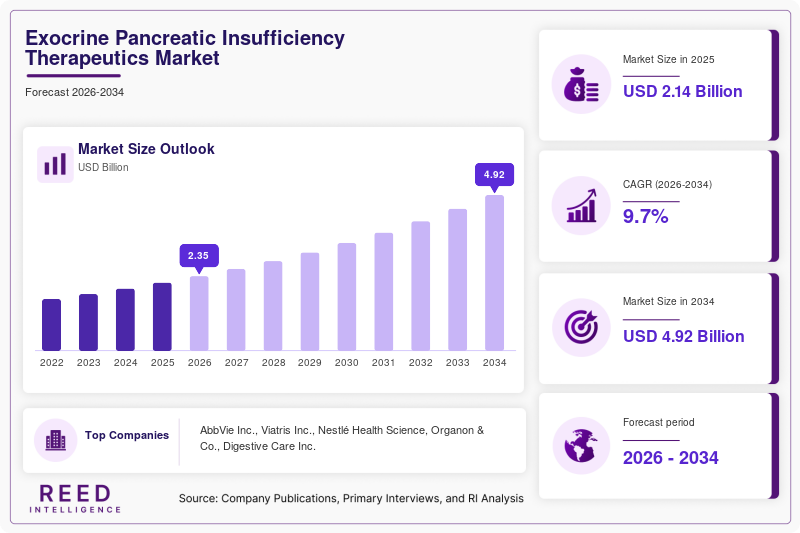
The global Exocrine Pancreatic Insufficiency Therapeutics Market size was valued at USD 2.14 billion in 2026 and is projected to reach USD 4.48 billion by 2034, expanding at a CAGR of 9.7% during the forecast period. Rising awareness regarding digestive disorders, increasing diagnosis of chronic pancreatic diseases, and the expanding aging population continue to support market expansion across developed and emerging economies. Exocrine pancreatic insufficiency is increasingly associated with chronic pancreatitis, cystic fibrosis, pancreatic cancer, diabetes, and gastrointestinal surgeries, creating sustained demand for advanced therapeutic interventions.
The growing availability of pancreatic enzyme replacement therapies has improved treatment adherence and long-term disease management. Healthcare systems across North America and Europe are investing in early screening programs for gastrointestinal disorders, while Asia Pacific countries are strengthening specialty care infrastructure and access to prescription therapeutics. Pharmaceutical manufacturers are also focusing on patient-friendly dosage forms, combination formulations, and extended-release products that improve enzyme stability and absorption.
Key Highlights
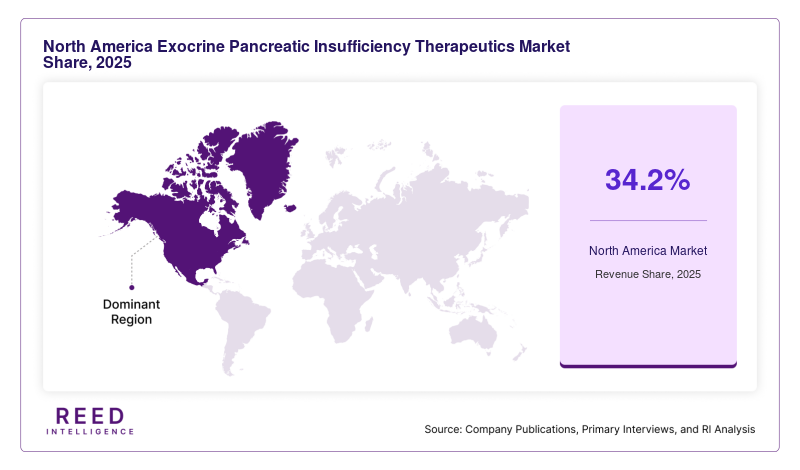
- North America dominated the market with a 34.2% share in 2025, while Asia Pacific is expected to grow at the fastest CAGR of 11.2% during 2026–2034.
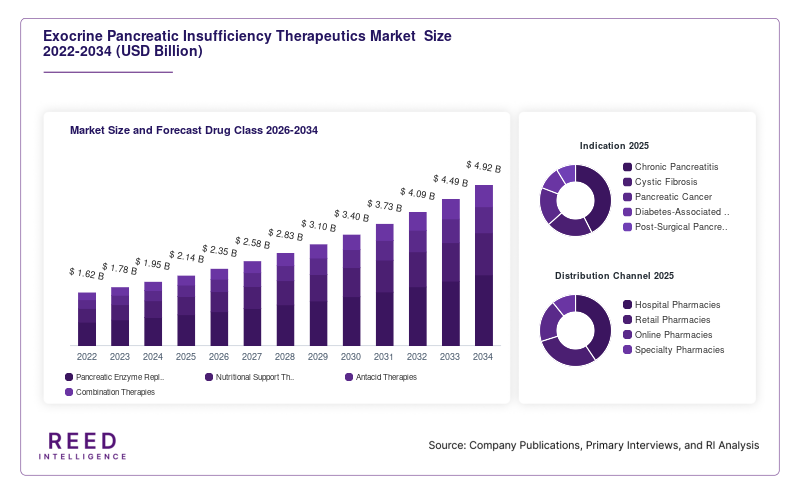
- By drug class, pancreatic enzyme replacement therapy accounted for the largest share of 61.8%, while nutritional support therapies are projected to grow at a CAGR of 10.9%.
- By indication, chronic pancreatitis led with a 39.4% share, whereas pancreatic cancer-associated insufficiency is expected to expand at a CAGR of 11.6%.
- The United States remained the dominant country, with market values of USD 690 million in 2024 and USD 748 million in 2025.
Market Trends
Increasing Adoption of Personalized Enzyme Replacement Therapies
The Exocrine Pancreatic Insufficiency Therapeutics Market is witnessing growing adoption of personalized enzyme replacement therapies tailored to patient-specific digestive requirements. Healthcare providers are increasingly adjusting dosage strengths based on body weight, dietary intake, symptom severity, and coexisting gastrointestinal disorders. This trend is improving treatment efficiency and patient adherence, particularly among individuals with chronic pancreatitis and cystic fibrosis. Pharmaceutical companies are introducing flexible capsule formulations that enable physicians to customize therapeutic regimens more effectively. The integration of digital health monitoring tools and nutritional tracking platforms is also helping clinicians optimize therapeutic outcomes. Personalized approaches are becoming more important in hospital and specialty clinic settings, where long-term disease management requires continuous treatment adjustments and improved nutritional absorption.
Rising Focus on Early Diagnosis and Preventive Gastrointestinal Care
Healthcare providers are increasingly emphasizing early diagnosis of pancreatic disorders and preventive gastrointestinal care, creating favorable conditions for therapeutic demand. Patients experiencing unexplained weight loss, nutrient deficiencies, chronic diarrhea, or abdominal discomfort are undergoing earlier screening procedures, resulting in higher diagnosis rates for exocrine pancreatic insufficiency. Governments and healthcare organizations are investing in awareness campaigns related to chronic digestive disorders and pancreatic diseases. This trend is particularly visible in emerging economies where healthcare infrastructure is improving rapidly. The growing use of advanced imaging systems, pancreatic function testing, and biomarker-based diagnostics is enabling faster therapeutic intervention. Earlier treatment initiation is reducing hospitalization rates and improving quality of life, supporting sustained growth across prescription enzyme replacement products and supportive nutritional therapies.
Market Drivers
Increasing Prevalence of Chronic Pancreatitis and Pancreatic Disorders
The rising prevalence of chronic pancreatitis, pancreatic cancer, and cystic fibrosis remains a major growth driver for the Exocrine Pancreatic Insufficiency Therapeutics Market. Lifestyle-related risk factors, including alcohol consumption, smoking, obesity, and diabetes, have contributed to a steady increase in pancreatic disorders globally. Patients suffering from these conditions often experience reduced enzyme secretion, creating significant demand for long-term pancreatic enzyme replacement therapy. Healthcare professionals are also becoming more aware of the relationship between chronic gastrointestinal symptoms and pancreatic insufficiency, leading to improved diagnosis rates. The growing elderly population is another important contributor, as older adults are more susceptible to digestive disorders and pancreatic dysfunction. These factors collectively continue to expand the patient pool requiring continuous therapeutic management.
Expansion of Specialty Healthcare Infrastructure and Treatment Access
The expansion of specialty healthcare infrastructure and improved access to prescription therapies are supporting market growth across both developed and developing regions. Hospitals, gastroenterology clinics, and digestive disease centers are increasing their focus on pancreatic disease management and nutritional support services. Many countries are strengthening reimbursement policies for chronic gastrointestinal treatments, helping patients access advanced therapeutic formulations at lower costs. Pharmaceutical companies are also expanding their distribution networks and specialty pharmacy partnerships to improve treatment availability in rural and underserved areas. Telemedicine platforms are enabling follow-up consultations and long-term prescription management for patients requiring continuous therapy. These developments are improving treatment adherence, reducing diagnostic delays, and increasing the adoption of enzyme replacement products across broader patient populations.
Market Restraint
High Treatment Costs and Limited Awareness in Developing Economies
Despite positive growth prospects, the Exocrine Pancreatic Insufficiency Therapeutics Market faces challenges associated with high treatment costs and limited disease awareness in several developing economies. Pancreatic enzyme replacement therapies often require lifelong administration, resulting in substantial long-term healthcare expenses for patients without comprehensive insurance coverage. In lower-income countries, diagnostic capabilities for pancreatic disorders remain limited, leading to underdiagnosis and delayed treatment initiation. Many patients continue to attribute symptoms such as bloating, malnutrition, and digestive discomfort to common gastrointestinal conditions rather than pancreatic insufficiency. This lack of awareness reduces prescription rates and limits market penetration in emerging healthcare systems. In addition, regulatory delays and pricing pressures can restrict the introduction of innovative formulations in cost-sensitive markets. Smaller healthcare facilities may also lack specialized gastroenterology services necessary for accurate diagnosis and treatment monitoring, creating barriers to effective disease management and slowing overall market expansion.
Market Opportunities
Growing Demand for Nutritional Support and Combination Therapies
The growing emphasis on nutritional management in chronic digestive disorders presents a strong opportunity for companies operating in the Exocrine Pancreatic Insufficiency Therapeutics Market. Patients with pancreatic insufficiency frequently experience malabsorption of fats, proteins, and essential vitamins, increasing the need for integrated nutritional support programs. Pharmaceutical manufacturers are developing combination therapies that include enzyme replacement products alongside vitamin supplementation and digestive support formulations. These products are gaining popularity in specialty clinics and long-term care settings where comprehensive patient management is essential. Healthcare providers are also encouraging dietary counseling and personalized nutritional interventions to improve treatment outcomes. As awareness regarding nutrition-related complications increases, demand for integrated therapeutic solutions is expected to rise steadily across global healthcare markets.
Expansion Opportunities Across Emerging Asia Pacific and Latin American Markets
Emerging markets in Asia Pacific and Latin America are creating substantial growth opportunities due to improving healthcare infrastructure, rising disposable income, and increasing diagnosis rates for chronic gastrointestinal diseases. Governments in countries such as China, India, Brazil, and Mexico are investing in hospital modernization, specialty care services, and pharmaceutical accessibility programs. Multinational pharmaceutical companies are expanding regional manufacturing capabilities and distribution partnerships to strengthen market presence in these high-growth economies. Rising urbanization and changing dietary habits are also contributing to higher prevalence rates of digestive disorders and pancreatic complications. Furthermore, educational campaigns conducted by healthcare organizations are encouraging earlier consultation and diagnosis among patients experiencing persistent gastrointestinal symptoms. These developments are expected to support sustained therapeutic demand throughout the forecast period.
Segmental Analysis
By Drug Class
Pancreatic enzyme replacement therapy accounted for the dominant share of the Exocrine Pancreatic Insufficiency Therapeutics Market in 2024, representing approximately 61.8% of total revenue. This segment remains the primary treatment approach for patients experiencing insufficient pancreatic enzyme production associated with chronic pancreatitis, cystic fibrosis, pancreatic cancer, and gastrointestinal surgeries. Strong clinical effectiveness, long-term therapeutic necessity, and broad physician acceptance continue to support segment leadership. Pharmaceutical companies are introducing improved formulations with enhanced enzyme stability and delayed-release mechanisms to optimize nutrient absorption. Hospitals and specialty clinics continue to prioritize enzyme replacement therapy as the standard treatment option due to its proven ability to reduce digestive complications, improve nutritional outcomes, and enhance patient quality of life.
Nutritional support therapies are expected to register the fastest CAGR of 10.9% during the forecast period due to increasing emphasis on comprehensive digestive disease management. Patients with pancreatic insufficiency often experience severe nutrient deficiencies, creating growing demand for vitamin supplementation, protein support products, and dietary management programs. Healthcare providers are increasingly recommending integrated treatment plans combining enzyme replacement with nutritional interventions to improve long-term outcomes. Rising awareness regarding malnutrition-related complications is encouraging wider adoption of supportive nutritional products across hospitals and outpatient care settings. Pharmaceutical and nutraceutical companies are also expanding product portfolios with specialized digestive health supplements designed for patients experiencing chronic malabsorption and weight loss.
By Indication
Chronic pancreatitis represented the largest indication segment within the Exocrine Pancreatic Insufficiency Therapeutics Market in 2024, accounting for approximately 39.4% of global revenue. The increasing prevalence of alcohol-related pancreatic disorders, smoking-associated complications, and metabolic diseases has contributed significantly to segment growth. Patients with chronic pancreatitis frequently require long-term enzyme replacement therapy due to progressive pancreatic damage and reduced digestive enzyme secretion. Healthcare systems across major economies are also improving early diagnosis and long-term monitoring programs for chronic pancreatitis patients. Specialty gastroenterology clinics continue to expand treatment services focused on digestive disease management, nutritional counseling, and symptom control. These factors collectively support sustained therapeutic demand within this dominant indication segment.
Pancreatic cancer-associated insufficiency is projected to witness the fastest CAGR of 11.6% throughout the forecast period. Increasing incidence of pancreatic cancer globally and greater recognition of digestive complications among oncology patients are contributing to strong growth potential. Cancer-related pancreatic surgeries and chemotherapy treatments frequently impair enzyme production, creating demand for supportive therapeutic interventions. Hospitals and oncology centers are increasingly integrating pancreatic enzyme replacement therapy into cancer care protocols to improve patient nutrition and treatment tolerance. Rising investment in cancer care infrastructure across emerging markets is also supporting segment expansion. Pharmaceutical companies are developing targeted supportive care solutions aimed at improving digestive function and quality of life among pancreatic cancer patients undergoing intensive treatment programs.
By Distribution Channel
Hospital pharmacies accounted for the leading share of the Exocrine Pancreatic Insufficiency Therapeutics Market in 2024, contributing approximately 46.3% of global revenue. The dominance of this segment is supported by the high rate of diagnosis and treatment initiation within hospital environments, particularly among patients with severe pancreatic disorders and post-surgical complications. Hospitals provide access to gastroenterologists, nutrition specialists, and advanced diagnostic tools necessary for accurate disease management. Inpatient care settings also facilitate personalized dosage adjustments and long-term monitoring of therapeutic outcomes. The growing number of specialty digestive disease centers and expanding hospital infrastructure across developed and emerging economies continue to strengthen demand for therapeutics distributed through institutional pharmacy channels.
Online pharmacies are expected to record the fastest CAGR of 12.1% during the forecast period due to rising digital healthcare adoption and increasing patient preference for convenient medication access. Patients requiring long-term enzyme replacement therapy are increasingly utilizing online pharmacy platforms for prescription refills, home delivery services, and treatment information. The expansion of telemedicine services and electronic prescription systems is further accelerating this transition. Online distribution channels are particularly beneficial for elderly patients and individuals living in remote regions with limited access to specialty pharmacies. Pharmaceutical companies are also partnering with digital healthcare providers to improve direct patient engagement and medication adherence, supporting rapid growth within this distribution segment.
Regional Analysis
North America
North America accounted for the largest share of the Exocrine Pancreatic Insufficiency Therapeutics Market in 2025, representing approximately 34.2% of global revenue. The region is projected to maintain stable growth at a CAGR of 8.8% during the forecast period due to strong healthcare infrastructure, widespread availability of specialty therapies, and high awareness regarding pancreatic disorders. The presence of advanced diagnostic capabilities and favorable reimbursement policies has improved treatment adoption across the United States and Canada. Pharmaceutical companies operating in the region continue to invest in research and product innovation, further supporting market expansion.
The United States remained the dominant country in North America due to its large patient population, established gastroenterology care network, and strong pharmaceutical distribution systems. Rising incidence of chronic pancreatitis and pancreatic cancer is contributing significantly to therapeutic demand. Another important growth factor is the increasing use of telehealth services for long-term digestive disease management. Healthcare providers are integrating digital consultation platforms with specialty pharmacy services, enabling improved treatment continuity and prescription adherence among patients requiring lifelong enzyme replacement therapy.
Europe
Europe represented a significant share of the global Exocrine Pancreatic Insufficiency Therapeutics Market in 2025 and is expected to expand at a CAGR of 8.5% through 2034. The region benefits from strong public healthcare systems, rising awareness regarding pancreatic disorders, and increased screening activities for gastrointestinal diseases. Countries including Germany, France, Italy, and the United Kingdom are focusing on improving chronic disease management and nutritional support programs. Pharmaceutical manufacturers are introducing advanced enzyme replacement formulations designed to improve absorption efficiency and patient compliance, supporting continued market development.
Germany emerged as the dominant country within the European market due to its advanced healthcare infrastructure and strong presence of specialty digestive care centers. The country has also witnessed growing investments in clinical research related to pancreatic enzyme therapies and chronic pancreatitis management. An important regional growth factor is the increasing collaboration between hospitals and nutrition specialists to provide integrated treatment programs for patients experiencing digestive complications. This multidisciplinary care approach is improving treatment outcomes and supporting long-term therapeutic adoption across the region.
Asia Pacific
Asia Pacific is anticipated to register the fastest CAGR of 11.2% during the forecast period, supported by improving healthcare access, expanding pharmaceutical manufacturing capacity, and rising awareness regarding gastrointestinal disorders. Countries across the region are witnessing rapid growth in specialty healthcare services and diagnostic infrastructure. Increasing urbanization, changing dietary habits, and growing prevalence of diabetes and chronic digestive diseases are contributing to higher incidence rates of pancreatic insufficiency. In addition, government healthcare reforms are improving access to prescription therapies and specialized gastroenterology treatment.
China dominated the Asia Pacific market due to its large population base, expanding hospital network, and increasing healthcare expenditure. The country is experiencing rising diagnosis rates for chronic pancreatitis and pancreatic cancer, creating strong demand for enzyme replacement therapies. A unique growth factor in China is the rapid expansion of domestic pharmaceutical production capabilities, which is improving affordability and accessibility of digestive disease therapeutics. Local manufacturers are also investing in research partnerships and advanced formulation technologies to strengthen their competitive position within the regional market.
Middle East & Africa
The Middle East & Africa region is experiencing gradual growth in the Exocrine Pancreatic Insufficiency Therapeutics Market and is projected to expand at a CAGR of 7.4% during the forecast period. Improvements in healthcare infrastructure, rising investment in specialty hospitals, and increasing awareness regarding digestive disorders are supporting regional development. Countries in the Gulf Cooperation Council are focusing on advanced healthcare services and chronic disease management initiatives. Although diagnosis rates remain lower than those in developed markets, ongoing healthcare modernization programs are expected to improve access to pancreatic insufficiency therapies.
Saudi Arabia emerged as the leading country within the regional market due to its expanding healthcare expenditure and strong government support for specialized medical services. The country has increased investments in hospital expansion projects and advanced diagnostic technologies related to gastrointestinal disorders. One significant growth factor is the growing medical tourism industry, which is increasing demand for specialized digestive disease treatments and high-quality pharmaceutical products. Private healthcare providers are also expanding gastroenterology departments and nutritional counseling services, supporting broader therapeutic adoption across the country.
Latin America
Latin America accounted for a moderate share of the Exocrine Pancreatic Insufficiency Therapeutics Market in 2025 and is expected to grow at a CAGR of 8.1% through 2034. Improving healthcare access, increasing awareness regarding chronic digestive diseases, and expansion of pharmaceutical distribution networks are contributing to regional growth. Governments in several Latin American countries are strengthening public healthcare programs and improving availability of prescription medications for chronic illnesses. Specialty clinics focusing on digestive health and nutritional therapy are also becoming more common across major urban centers.
Brazil dominated the Latin American market due to its large healthcare system, expanding pharmaceutical sector, and rising prevalence of gastrointestinal disorders. The country has experienced increased demand for advanced enzyme replacement therapies in both public and private healthcare facilities. A major growth factor is the growing presence of multinational pharmaceutical companies establishing regional partnerships and local manufacturing operations. These initiatives are improving product availability, reducing import dependency, and supporting wider adoption of pancreatic insufficiency therapeutics across Brazil and neighboring countries.
Competitive Landscape
The Exocrine Pancreatic Insufficiency Therapeutics Market is characterized by the presence of established pharmaceutical manufacturers focused on pancreatic enzyme replacement formulations, digestive support therapies, and specialty gastrointestinal treatments. Competition is driven by product efficacy, formulation stability, pricing strategies, and distribution reach across hospital and retail pharmacy networks. Companies are investing in clinical research, strategic collaborations, and regional expansion initiatives to strengthen market position and improve access to advanced therapeutics.
AbbVie Inc. remains one of the leading participants in the market due to its strong gastrointestinal portfolio and broad commercial presence across North America and Europe. The company continues to focus on improving patient access and expanding specialty care partnerships. Nestle Health Science has also strengthened its position through investments in nutritional support solutions for patients with digestive disorders. Viatris Inc., Organon & Co., and Digestive Care Inc. are expanding product development activities related to enzyme replacement therapies and supportive digestive care formulations.
Key Players
- AbbVie Inc.
- Viatris Inc.
- Nestle Health Science
- Organon & Co.
- Digestive Care Inc.
- Nordmark Arzneimittel GmbH & Co. KG
- Sun Pharmaceutical Industries Ltd.
- Alcresta Therapeutics
- AzurRx BioPharma
- Janssen Pharmaceuticals
- Pfizer Inc.
- Abbott Laboratories
- AstraZeneca plc
- Takeda Pharmaceutical Company Limited
- Bayer AG
Recent Developments
- In February 2026, AbbVie Inc. expanded its specialty gastrointestinal therapeutic distribution network in North America to improve patient access to pancreatic enzyme replacement therapies.
- In August 2025, Nestlé Health Science introduced a new nutritional support portfolio designed for patients suffering from chronic malabsorption associated with exocrine pancreatic insufficiency.
- In November 2025, Viatris Inc. initiated clinical evaluation programs focused on delayed-release pancreatic enzyme formulations aimed at improving treatment adherence and digestive absorption efficiency.
- In March 2026, Sun Pharmaceutical Industries Ltd. announced expansion of its regional manufacturing operations across Asia Pacific to strengthen production capacity for digestive disease therapeutics.
Exocrine Pancreatic Insufficiency Therapeutics Market Segments
Drug Class
- Pancreatic Enzyme Replacement Therapy
- Nutritional Support Therapies
- Antacid Therapies
- Combination Therapies
Indication
- Chronic Pancreatitis
- Cystic Fibrosis
- Pancreatic Cancer
- Diabetes-Associated Pancreatic Insufficiency
- Post-Surgical Pancreatic Disorders
Distribution Channel
- Hospital Pharmacies
- Retail Pharmacies
- Online Pharmacies
- Specialty Pharmacies
By Region
- North America
- Europe
- APAC
- Middle East and Africa
- LATAM