Hyoscine N Butyl Bromide Market Size, Share & Demand Report By Formulation Type (Tablets, Injectable Formulations, Syrups, Capsules), By Application (Gastrointestinal Disorders, Urinary Tract Disorders, Gynecological Disorders, Postoperative Spasm Management), By Distribution Channel (Hospital Pharmacies, Retail Pharmacies, Online Pharmacies, Drug Stores), By Region & Segment Forecasts, 2026–2034
USD 3950
Market Overview
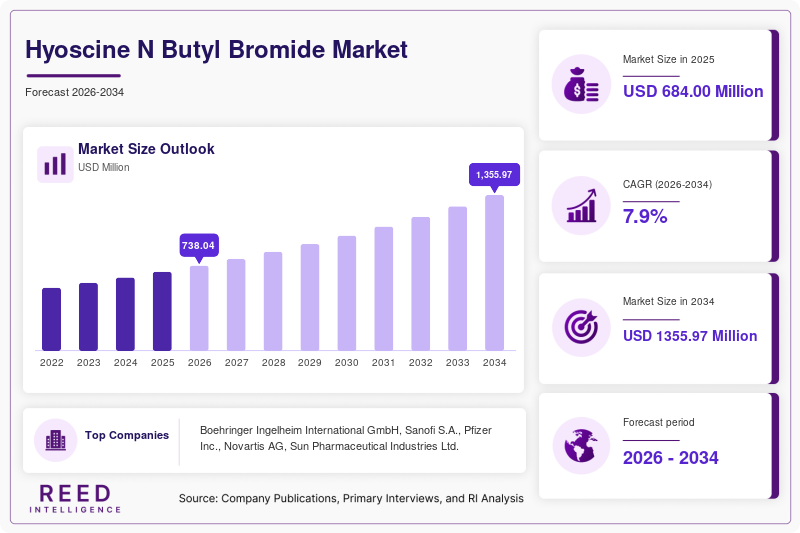
The global Hyoscine N Butyl Bromide Market size was valued at USD 684 million in 2026 and is projected to reach USD 1260 million by 2034, expanding at a CAGR of 7.9% during the forecast period from 2026 to 2034. Hyoscine N butyl bromide is widely used as an antispasmodic medication for the treatment of gastrointestinal disorders, abdominal pain, irritable bowel syndrome, urinary tract spasms, and gynecological conditions. The increasing burden of digestive disorders and the growing use of antispasmodic therapies in hospital and outpatient settings continue to support market expansion across developed and emerging economies.
A major global factor supporting market growth is the rising prevalence of gastrointestinal diseases linked to changing dietary patterns, stress-related disorders, and sedentary lifestyles. Healthcare providers are increasingly prescribing hyoscine N butyl bromide due to its rapid onset of action and favorable safety profile in managing smooth muscle spasms. Demand has also increased in emergency care facilities and surgical recovery units where antispasmodic medications are routinely administered. In addition, pharmaceutical manufacturers are expanding generic drug production capacities to meet rising demand in Asia Pacific and Latin America, improving product accessibility and affordability.
Key Highlights
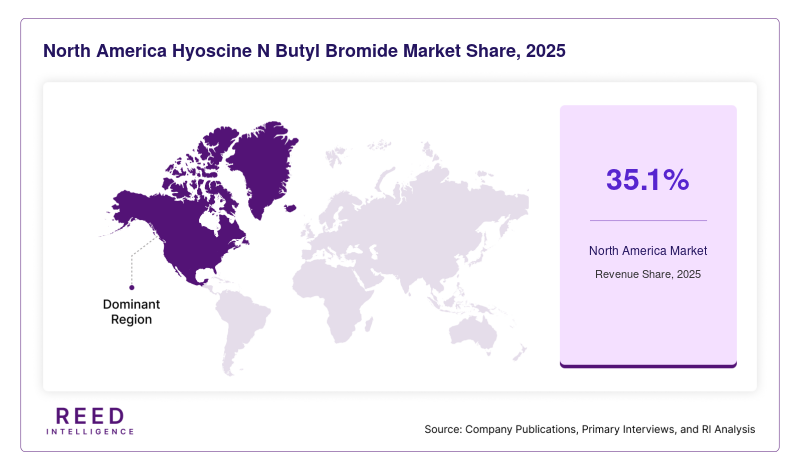
- North America dominated the market with a 35.1% share in 2025.
- Asia Pacific is expected to grow at the fastest CAGR of 10.8% during 2026–2034.
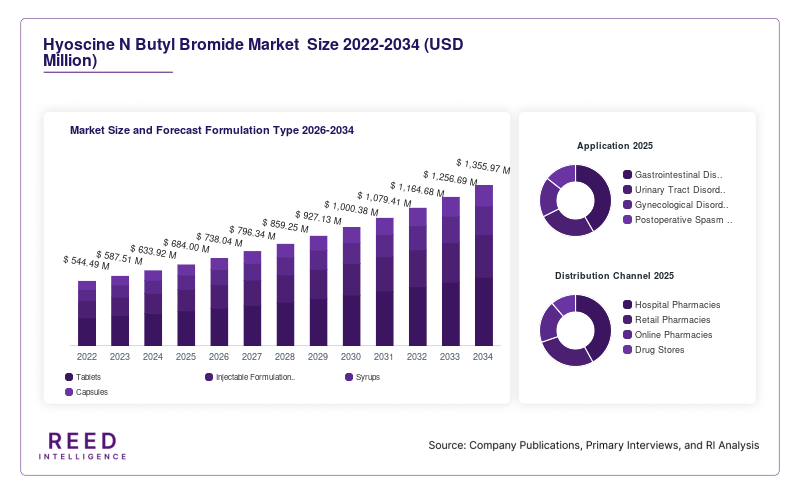
- By formulation type, tablets accounted for the largest share of 42.6%.
- while injectable formulations are projected to grow at a CAGR of 9.8%.
- By application, gastrointestinal disorders led with a 48.9% share.
- whereas urinary tract disorders are expected to expand at a CAGR of 9.4%.
- The United States remained the dominant country, with market values of USD 188 million in 2024 and USD 205 million in 2025.
Market Trends
Expansion of Generic Pharmaceutical Manufacturing
The Hyoscine N Butyl Bromide Market is witnessing increasing participation from generic pharmaceutical manufacturers across Asia Pacific, Eastern Europe, and Latin America. As healthcare systems focus on reducing treatment costs, hospitals and retail pharmacies are prioritizing affordable generic antispasmodic medications. Pharmaceutical companies are expanding production capacities and entering strategic supply agreements with distributors to strengthen their presence in high-demand regions. This trend has improved medicine accessibility in emerging economies where gastrointestinal disorders are rising due to changing food consumption patterns and urban lifestyles. Increased competition among manufacturers is also supporting product availability across multiple dosage forms, including oral tablets, syrups, and injectables, thereby contributing to overall market growth.
Growing Use in Emergency and Postoperative Care
Healthcare facilities are increasingly utilizing hyoscine N butyl bromide in emergency departments and postoperative recovery management due to its effectiveness in reducing abdominal cramps and muscle spasms. Hospitals are incorporating antispasmodic medications into broader pain management and gastrointestinal care protocols. The rising number of minimally invasive surgeries and gastrointestinal procedures has also increased demand for injectable formulations. Medical professionals prefer fast-acting therapies that provide symptom relief without extensive side effects, supporting wider adoption of hyoscine N butyl bromide products. Furthermore, healthcare providers in developed markets are integrating advanced patient monitoring systems that encourage timely administration of supportive medications, strengthening the use of antispasmodic treatments in acute care environments.
Market Drivers
Rising Incidence of Gastrointestinal Disorders
The growing prevalence of gastrointestinal disorders is a major factor driving the Hyoscine N Butyl Bromide Market. Increasing consumption of processed foods, irregular eating habits, stress-related digestive complications, and sedentary lifestyles have contributed to a significant rise in irritable bowel syndrome, gastric spasms, and abdominal discomfort globally. Healthcare professionals are increasingly prescribing antispasmodic medications to manage symptoms associated with these disorders. The aging population is another important contributor, as elderly individuals are more susceptible to digestive complications requiring pharmaceutical intervention. Growing awareness regarding gastrointestinal health and early treatment options is further encouraging patients to seek medical support, which continues to strengthen demand for hyoscine N butyl bromide across hospitals, clinics, and retail pharmacies.
Expansion of Healthcare Infrastructure in Emerging Economies
Rapid development of healthcare infrastructure in emerging economies is supporting market growth significantly. Governments in countries such as India, China, Brazil, and Indonesia are investing heavily in hospital expansion, pharmaceutical manufacturing, and public healthcare programs. Improved access to healthcare services has increased diagnosis rates for gastrointestinal and urinary tract disorders, resulting in higher prescription volumes for antispasmodic medications. In addition, pharmaceutical distribution networks have expanded into rural and semi-urban areas, improving medicine availability. The growth of telemedicine and digital healthcare consultation platforms has also enabled quicker access to prescriptions and treatment guidance. These developments are creating favorable conditions for pharmaceutical companies operating in the Hyoscine N Butyl Bromide Market.
Market Restraint
Availability of Alternative Therapies and Side Effect Concerns
The availability of alternative treatment options remains a significant challenge for the Hyoscine N Butyl Bromide Market. Physicians often prescribe proton pump inhibitors, analgesics, anticholinergic drugs, and herbal gastrointestinal therapies depending on the severity and cause of symptoms. The increasing adoption of combination therapies and lifestyle-based treatment approaches has limited the exclusive dependence on antispasmodic medications in some patient groups. In addition, concerns regarding side effects such as dry mouth, dizziness, blurred vision, and urinary retention can reduce patient adherence, particularly among elderly populations and individuals with chronic health conditions.
Regulatory scrutiny associated with pharmaceutical safety standards also affects product approvals and marketing activities. Healthcare authorities in developed countries continue to evaluate labeling requirements and dosage recommendations for anticholinergic medications, increasing compliance costs for manufacturers. For example, several healthcare providers now recommend cautious prescribing practices for patients with cardiovascular or neurological conditions due to possible adverse reactions linked to anticholinergic drug classes. These factors may restrict market penetration in highly regulated pharmaceutical environments and slow revenue growth for smaller manufacturers.
Market Opportunities
Increasing Demand for Injectable Formulations in Hospitals
The growing use of injectable formulations in hospitals and emergency care facilities presents a strong growth opportunity for the Hyoscine N Butyl Bromide Market. Injectable antispasmodic medications are widely preferred for rapid symptom management in acute abdominal pain, postoperative recovery, and emergency gastrointestinal complications. Hospitals are increasingly maintaining larger inventories of fast-acting injectable drugs to improve patient care efficiency and reduce hospitalization durations. Pharmaceutical companies are investing in sterile manufacturing facilities and advanced packaging technologies to meet rising demand from institutional healthcare providers. The expansion of multispecialty hospitals in Asia Pacific and the Middle East is expected to create additional growth opportunities for injectable hyoscine N butyl bromide products during the forecast period.
Expansion of Pharmaceutical Distribution Through Online Pharmacies
The rapid growth of online pharmacy platforms is creating favorable opportunities for manufacturers and distributors operating in the market. Consumers increasingly prefer digital healthcare solutions due to convenience, faster delivery services, and improved access to prescription medications. Online pharmacy providers are strengthening partnerships with pharmaceutical companies to expand product availability and improve customer engagement. This trend is particularly strong in urban regions where digital healthcare adoption continues to rise. In addition, e-commerce pharmaceutical platforms are offering subscription-based medicine delivery models that encourage consistent medication use among patients with chronic gastrointestinal disorders. The increasing penetration of smartphones and digital payment systems across developing economies is expected to further support online pharmaceutical sales growth.
Segmental Analysis
By Formulation Type
Tablets represented the dominant subsegment in the Hyoscine N Butyl Bromide Market and accounted for 42.6% of the total market share in 2024. Oral tablet formulations are widely preferred due to their convenience, affordability, and ease of administration in outpatient settings. Patients with mild to moderate gastrointestinal disorders frequently utilize tablet-based medications for symptom management and long-term treatment. Retail pharmacies and hospital dispensaries maintain strong inventories of oral formulations because of consistent prescription demand across multiple patient groups. In addition, pharmaceutical companies continue to introduce improved tablet packaging formats that enhance shelf life and patient compliance. The widespread availability of generic oral medications in developed and emerging economies has also strengthened demand for tablet-based antispasmodic therapies globally.
Injectable formulations are projected to witness the fastest growth during the forecast period, registering a CAGR of 9.8% from 2026 to 2034. The increasing demand for rapid symptom relief in emergency care and postoperative treatment environments is driving adoption of injectable products. Hospitals and surgical centers prefer injectable antispasmodic medications due to their quick therapeutic response and suitability for patients unable to consume oral medicines. Rising numbers of minimally invasive surgeries and gastrointestinal procedures are further supporting demand for injectable formulations. Pharmaceutical manufacturers are investing in advanced sterile production technologies and high-quality packaging systems to improve product safety and efficiency. Expanding hospital infrastructure across Asia Pacific and the Middle East is expected to create significant growth opportunities for injectable hyoscine N butyl bromide products.
By Application
Gastrointestinal disorders accounted for the largest share of the Hyoscine N Butyl Bromide Market in 2024, representing 48.9% of total revenue. Increasing prevalence of irritable bowel syndrome, abdominal pain, gastric spasms, and digestive discomfort continues to support strong demand for antispasmodic therapies. Healthcare professionals frequently prescribe hyoscine N butyl bromide to manage muscle spasms associated with gastrointestinal conditions due to its fast-acting therapeutic effects. The growing adoption of processed foods, sedentary lifestyles, and stress-related digestive complications has contributed significantly to higher treatment volumes globally. Hospitals, specialty clinics, and outpatient care centers remain major consumers of gastrointestinal medications. In addition, increasing public awareness regarding digestive health management is encouraging earlier medical consultation and supporting consistent prescription growth for gastrointestinal therapies.
Urinary tract disorders are anticipated to emerge as the fastest-growing application segment, expanding at a CAGR of 9.4% during the forecast period. Increasing incidence of urinary spasms, kidney stone-related pain, and bladder discomfort is contributing to rising demand for antispasmodic medications in urological care. Healthcare providers are increasingly utilizing hyoscine N butyl bromide in combination treatment protocols to improve symptom management and patient comfort. Growth in diagnostic procedures and expanding access to specialized urology services are also supporting market expansion. Aging populations across Europe and North America are particularly contributing to increased treatment demand due to higher susceptibility to urinary complications. Pharmaceutical companies are additionally focusing on product awareness campaigns targeting urology specialists and healthcare institutions to strengthen adoption rates.
By Distribution Channel
Hospital pharmacies dominated the Hyoscine N Butyl Bromide Market in 2024 and captured 45.3% of the overall market share. Hospitals remain the primary treatment centers for gastrointestinal emergencies, postoperative recovery, and severe abdominal pain management, creating substantial demand for antispasmodic medications. Healthcare providers frequently administer injectable formulations within hospital settings due to their rapid therapeutic action. Large hospital procurement systems and long-term supplier agreements also contribute to stable product demand. Furthermore, hospitals maintain advanced diagnostic facilities that enable early identification and treatment of digestive and urinary disorders requiring pharmaceutical intervention. Increasing healthcare expenditure and expansion of multispecialty hospital infrastructure across emerging economies continue to strengthen the position of hospital pharmacies within the global market.
Online pharmacies are expected to witness the fastest growth, registering a CAGR of 10.1% from 2026 to 2034. Consumers increasingly prefer digital medicine purchasing platforms because of convenience, competitive pricing, and home delivery services. The rapid expansion of e-commerce healthcare platforms and smartphone penetration is transforming pharmaceutical distribution models globally. Online pharmacies are collaborating with healthcare providers and pharmaceutical companies to improve prescription management and customer engagement. Subscription-based medication delivery systems are also encouraging consistent treatment adherence among patients with chronic gastrointestinal disorders. Emerging economies in Asia Pacific and Latin America are experiencing particularly strong growth in online pharmaceutical sales due to improving internet connectivity and expanding digital payment infrastructure, creating favorable opportunities for market participants.
Regional Analysis
North America
North America accounted for 35.1% of the global Hyoscine N Butyl Bromide Market share in 2025 and is expected to maintain stable growth during the forecast period with a CAGR of 7.1% from 2026 to 2034. The region benefits from advanced healthcare infrastructure, high pharmaceutical spending, and strong availability of prescription antispasmodic medications. Hospitals and outpatient care centers across the United States and Canada continue to increase utilization of gastrointestinal therapies due to rising digestive health disorders. Growing awareness regarding early diagnosis and treatment of abdominal conditions is also supporting pharmaceutical demand.
The United States remains the dominant country within North America due to its extensive pharmaceutical manufacturing capabilities and large patient population affected by gastrointestinal disorders. One unique growth factor supporting the country’s market expansion is the increasing integration of telehealth consultation services, which has improved access to prescription medications for digestive health conditions. Retail pharmacy chains and hospital networks are also expanding partnerships with generic drug manufacturers to improve medicine affordability and strengthen market penetration across urban and rural healthcare systems.
Europe
Europe represented a significant share of the Hyoscine N Butyl Bromide Market in 2025 and is projected to grow at a CAGR of 6.9% during the forecast period. The region benefits from strong public healthcare systems, widespread pharmaceutical accessibility, and increasing diagnosis rates of gastrointestinal disorders. Countries such as Germany, France, Italy, and the United Kingdom continue to invest in healthcare modernization programs aimed at improving chronic disease management. The growing elderly population in Europe is also contributing to increased demand for antispasmodic medications used in digestive and urinary tract treatment applications.
Germany dominates the European market due to its well-established pharmaceutical industry and strong hospital infrastructure. A unique growth factor supporting the German market is the country’s emphasis on research-based pharmaceutical production and advanced clinical treatment standards. German healthcare providers increasingly utilize antispasmodic medications in postoperative recovery care and gastrointestinal management programs. In addition, rising investment in pharmaceutical logistics and cold-chain distribution systems is improving medicine availability throughout the region, supporting consistent market growth.
Asia Pacific
Asia Pacific is expected to register the fastest CAGR of 10.8% in the global Hyoscine N Butyl Bromide Market from 2026 to 2034. The region is experiencing rapid healthcare infrastructure development, growing pharmaceutical manufacturing capacity, and increasing awareness regarding gastrointestinal health management. Rising urbanization, dietary changes, and stressful work environments are contributing to higher incidence rates of digestive disorders across countries such as China, India, Japan, and South Korea. Expanding healthcare insurance coverage and government support for pharmaceutical production are also supporting market expansion.
China remains the dominant country within Asia Pacific due to its large population base and rapidly growing pharmaceutical sector. One unique growth factor driving the Chinese market is the government’s focus on domestic generic medicine production aimed at reducing healthcare costs and improving medicine accessibility. Hospitals and pharmacies across major Chinese cities are witnessing rising prescription volumes for gastrointestinal therapies. Additionally, increased healthcare digitization and expansion of e-commerce pharmaceutical platforms are helping manufacturers reach wider consumer populations efficiently.
Middle East & Africa
The Middle East & Africa region is gradually emerging as an important market for hyoscine N butyl bromide products and is forecast to grow at a CAGR of 7.4% during the study period. Improving healthcare infrastructure, increasing pharmaceutical imports, and growing awareness regarding digestive health are contributing to market expansion. Countries across the Gulf Cooperation Council are investing in hospital development and advanced healthcare technologies to reduce dependency on overseas medical treatment. Rising healthcare expenditure and growing demand for effective pain and spasm management therapies are also supporting market growth.
Saudi Arabia dominates the regional market due to its substantial healthcare investments and expanding pharmaceutical distribution network. A unique growth factor supporting the Saudi Arabian market is the country’s healthcare transformation initiatives under long-term economic diversification programs. The government is encouraging local pharmaceutical manufacturing and improving healthcare accessibility through public-private partnerships. As a result, hospitals and retail pharmacies are increasing procurement of gastrointestinal and antispasmodic medications to address growing patient demand within the country.
Latin America
Latin America continues to demonstrate stable growth potential in the Hyoscine N Butyl Bromide Market and is expected to grow at a CAGR of 7.6% during the forecast period. Increasing urbanization, changing dietary habits, and rising prevalence of gastrointestinal disorders are driving demand for antispasmodic medications throughout the region. Healthcare reforms in countries such as Brazil, Mexico, and Argentina are improving access to prescription drugs and hospital treatment services. In addition, pharmaceutical companies are expanding regional distribution partnerships to improve medicine availability in underserved areas.
Brazil remains the dominant country in the Latin American market due to its large healthcare sector and growing pharmaceutical manufacturing activities. One unique growth factor supporting the Brazilian market is the expansion of government-supported public healthcare programs that improve access to essential medications. Hospitals and community clinics are increasingly prescribing gastrointestinal treatments as awareness regarding digestive disorders grows among the population. Rising investments in pharmaceutical retail chains and online medicine delivery services are also supporting market expansion across the country.
Competitive Landscape
The Hyoscine N Butyl Bromide Market is moderately fragmented, with several multinational and regional pharmaceutical companies competing through product expansion, generic medicine production, and strategic distribution partnerships. Leading market participants are focusing on improving manufacturing efficiency, strengthening regional supply chains, and expanding therapeutic applications for antispasmodic medications. Companies are also increasing investments in injectable drug production facilities to address rising hospital demand and improve product accessibility across emerging markets.
Boehringer Ingelheim remains one of the leading companies in the market due to its established pharmaceutical portfolio and strong global distribution network. The company continues to strengthen its gastrointestinal treatment segment through product optimization and strategic collaborations with healthcare providers. Several generic pharmaceutical manufacturers are also expanding their presence by offering cost-effective formulations for retail pharmacies and public healthcare systems.
Recent industry developments include increased investment in sterile injectable manufacturing facilities, expansion of online pharmaceutical distribution partnerships, and product launches targeting gastrointestinal and urinary tract treatment applications. Market participants are additionally focusing on regulatory compliance and quality assurance measures to strengthen competitive positioning and maintain long-term market sustainability.
Key Players
- Boehringer Ingelheim International GmbH
- Sanofi S.A.
- Pfizer Inc.
- Novartis AG
- Sun Pharmaceutical Industries Ltd.
- Cipla Limited
- Dr. Reddy’s Laboratories Ltd.
- Lupin Limited
- Hikma Pharmaceuticals PLC
- Zydus Lifesciences Limited
- Viatris Inc.
- Teva Pharmaceutical Industries Ltd.
- Alkem Laboratories Ltd.
- Aurobindo Pharma Limited
Recent Developments
- Boehringer Ingelheim expanded its injectable antispasmodic production capacity in 2025 to support growing hospital demand across North America and Europe.
- Sun Pharmaceutical Industries introduced an upgraded packaging format for hyoscine N butyl bromide tablets in 2025 to improve shelf stability and patient convenience.
- Cipla Limited strengthened its online pharmacy distribution partnerships across Asia Pacific in 2024 to expand access to gastrointestinal treatment medications.
Hyoscine N Butyl Bromide Market Segments
Formulation Type
- Tablets
- Injectable Formulations
- Syrups
- Capsules
Application
- Gastrointestinal Disorders
- Urinary Tract Disorders
- Gynecological Disorders
- Postoperative Spasm Management
Distribution Channel
- Hospital Pharmacies
- Retail Pharmacies
- Online Pharmacies
- Drug Stores
By Region
- North America
- Europe
- APAC
- Middle East and Africa
- LATAM