Intravascular Optical Coherence Tomography OCT Imaging System Market Size, Share Demand Report By Product Type (CATH-Based Systems, Guidewire-Based Systems), By Application (Coronary Artery Disease, Peripheral Artery Disease, Others), By Technology (Frequency Domain OCT, Time Domain OCT) & Segment Forecasts, 2026–2034
USD 3950
Intravascular Optical Coherence Tomography OCT Imaging System Market Size
Intravascular Optical Coherence Tomography OCT Imaging System market size is projected at USD 1,847.6 million in 2026 and is expected to hit USD 4,847.5 million by 2034 with a CAGR of 12.8% during the forecast period. The increasing prevalence of cardiovascular diseases and the growing demand for advanced imaging technologies to guide percutaneous coronary interventions (PCI), coupled with the need for high-resolution, real-time imaging of coronary arteries, underpins market expansion. This report delivers a comprehensive analysis of the Intravascular Optical Coherence Tomography OCT Imaging System market, including segmentation by type and application, competitive dynamics, and regional growth patterns, equipping stakeholders with critical intelligence. The Intravascular Optical Coherence Tomography OCT Imaging System market continues to demonstrate robust growth potential, fueled by the rising global burden of coronary artery disease, the increasing adoption of OCT over traditional imaging modalities, and continuous innovation in imaging technologies.
Intravascular Optical Coherence Tomography (IVOCT) is a high-resolution imaging technique that uses light to capture cross-sectional images of blood vessels. IVOCT imaging systems provide detailed visualization of coronary artery structures, including the lumen, plaque, and stent struts, with resolution up to 10-20 micrometers. The global production volume of IVOCT imaging systems exceeded 3,500 units in 2025, reflecting a 14% increase from 2023, driven by the growing adoption of OCT in interventional cardiology. Adoption patterns reveal that the CATH-Based Systems type dominates the market, accounting for 62% of total demand, followed by Guidewire-Based Systems at 38%. The Intravascular Optical Coherence Tomography OCT Imaging System market's trajectory is closely linked to the growth of the global cardiovascular imaging market, which is projected to reach USD 40 billion by 2028, and the increasing need for precise and accurate imaging to improve patient outcomes.

Intravascular Optical Coherence Tomography OCT Imaging System Market Trends
Integration of AI and Advanced Image Processing
The Intravascular Optical Coherence Tomography OCT Imaging System market is witnessing a significant trend toward the integration of AI and advanced image processing, driven by the need for faster, more accurate, and automated analysis of OCT images. The revenue from AI-powered OCT systems grew to USD 650 million in 2025, a year-on-year increase of 22%, as 45% of new system installations in 2025 specified AI-driven image analysis and automation. Adoption rates of AI-enhanced OCT in interventional cardiology reached 35%, with this figure projected to exceed 65% by 2030. The Intravascular Optical Coherence Tomography OCT Imaging System market's trend toward AI integration is reinforced by the need for improved workflow efficiency, the increasing demand for quantitative plaque assessment, and the continuous innovation in deep learning algorithms.
Growing Focus on High-Speed and High-Resolution Systems
The increasing focus on high-speed and high-resolution systems is a major trend shaping the Intravascular Optical Coherence Tomography OCT Imaging System market, with the development of systems that offer faster pullback speeds and higher image resolution. The market has seen a 20% increase in the demand for high-speed OCT systems since 2022, with 30% of new products in 2025 featuring improved imaging speeds (over 20 mm/s) and resolution. The use of advanced light sources and high-speed cameras for enhanced image quality has also gained significant traction. The Intravascular Optical Coherence Tomography OCT Imaging System market's trend toward high performance is reinforced by the need for reduced procedure times, the increasing demand for high-quality imaging for complex lesions, and the continuous innovation in optical and electronic technologies.
Intravascular Optical Coherence Tomography OCT Imaging System Market Drivers
The Intravascular Optical Coherence Tomography OCT Imaging System market's expansion is primarily driven by the increasing global prevalence of coronary artery disease, with over 200 million people affected worldwide in 2025, and the growing need for precise imaging to guide PCI procedures. The need for high-resolution imaging to assess stent apposition and detect complications has been a major driver, with OCT offering superior resolution over intravascular ultrasound (IVUS). The rising adoption of OCT in clinical practice and the increasing evidence supporting its use have also fueled market growth. Additionally, the growing healthcare expenditure and the expansion of interventional cardiology procedures have spurred demand. The Intravascular Optical Coherence Tomography OCT Imaging System market's growth is further reinforced by the continuous improvement in system performance, leading to better image quality and ease of use.
Intravascular Optical Coherence Tomography OCT Imaging System Market Restraints
Despite favorable growth prospects, the Intravascular Optical Coherence Tomography OCT Imaging System market faces significant constraints, primarily related to the high cost of IVOCT systems, which can range from USD 100,000 to over USD 500,000, and the disposable catheter costs, which can be a barrier for some healthcare facilities. The need for specialized training and the longer learning curve for interpretation can also be a limitation. The Intravascular Optical Coherence Tomography OCT Imaging System market's growth is also tempered by the competition from IVUS and other imaging modalities, and the challenge of achieving consistent reimbursement for OCT procedures.
Intravascular Optical Coherence Tomography OCT Imaging System Market Opportunities
The Intravascular Optical Coherence Tomography OCT Imaging System market presents significant opportunities in the rapidly expanding market for interventional cardiology and peripheral interventions, where OCT can provide valuable imaging guidance. The development of AI-powered OCT systems for automated plaque characterization and stent analysis is expected to grow at a CAGR of 15% through 2034. Emerging opportunities also exist in the use of OCT for drug-coated balloon assessment and for imaging of bioresorbable vascular scaffolds. The Intravascular Optical Coherence Tomography OCT Imaging System market's opportunity profile is further enhanced by the growing trend of precision medicine and the increasing focus on optimizing PCI outcomes.
Challenges in Intravascular Optical Coherence Tomography OCT Imaging System Market
The Intravascular Optical Coherence Tomography OCT Imaging System market faces persistent challenges related to the need for continuous innovation to improve image quality, speed, and ease of use. The complexity of developing robust and reliable imaging systems for the challenging intravascular environment can also be a challenge. The market is also contending with the challenge of managing the high cost of system maintenance and training. Additionally, the Intravascular Optical Coherence Tomography OCT Imaging System market is challenged by the need to demonstrate clear clinical and economic benefits to drive broader adoption and reimbursement.
Intravascular Optical Coherence Tomography OCT Imaging System Market Segmentation
The Intravascular Optical Coherence Tomography OCT Imaging System market is segmented by Type and Application to provide a comprehensive market perspective. By Type, CATH-Based Systems dominate with a 62% market share, driven by their established use and ease of handling. The Application segment is led by Coronary Artery Disease, which accounts for 72% of the market, followed by Peripheral Artery Disease at 18%, and Others at 10%.
By Type
CATH-Based Systems represent the largest segment in the Intravascular Optical Coherence Tomography OCT Imaging System market, commanding a 62% share, with production exceeding 2,170 units in 2025. These are characterized by their use of a catheter-based approach for OCT imaging. Technical specifications include pullback speed, image resolution, and compatibility with standard catheters. The Intravascular Optical Coherence Tomography OCT Imaging System market's CATH-Based segment is driven by its use in coronary procedures.
Guidewire-Based Systems capture a 38% share of the Intravascular Optical Coherence Tomography OCT Imaging System market, with production of 1,330 units in 2025. These are characterized by their use of a guidewire-based approach for OCT imaging, offering access to smaller vessels. Technical specifications include guidewire compatibility, image resolution, and ease of use. The Intravascular Optical Coherence Tomography OCT Imaging System market's Guidewire-Based segment is driven by its use in complex and smaller vessel interventions.
By Application
Coronary Artery Disease dominates the Intravascular Optical Coherence Tomography OCT Imaging System market, accounting for 72% of sales, representing 2,520 units in 2025. This segment includes use in coronary angiography and PCI guidance. Usage penetration exceeds 20% in the sector. The Intravascular Optical Coherence Tomography OCT Imaging System market's Coronary segment is characterized by its focus on stent optimization and complication detection.
Peripheral Artery Disease accounts for 18% of the Intravascular Optical Coherence Tomography OCT Imaging System market, with sales of 630 units in 2025. This segment encompasses use in peripheral vascular interventions. The segment is growing at a robust CAGR, driven by the increasing prevalence of peripheral artery disease. The Intravascular Optical Coherence Tomography OCT Imaging System market's Peripheral segment is characterized by its focus on imaging larger vessels and assessing plaque morphology.
Others comprises the remainder of the Intravascular Optical Coherence Tomography OCT Imaging System market, accounting for 10% of total sales, with 350 units in 2025. This includes use in research and development and other emerging applications. The segment is projected to grow at a moderate CAGR through 2034. The Intravascular Optical Coherence Tomography OCT Imaging System market's Others segment is characterized by its focus on innovative applications.
Intravascular Optical Coherence Tomography OCT Imaging System Market Regional Outlook
North America Intravascular Optical Coherence Tomography OCT Imaging System Market
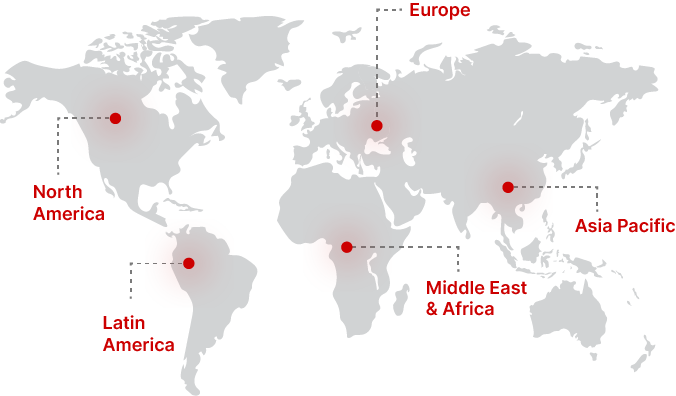
Leads the Intravascular Optical Coherence Tomography OCT Imaging System market, commanding a 42% share, with a revenue of USD 775.9 million in 2025. The United States is the primary driver, accounting for 85% of regional demand, driven by the high prevalence of coronary artery disease, advanced healthcare infrastructure, high adoption of advanced imaging technologies, and strong reimbursement policies. The North American Intravascular Optical Coherence Tomography OCT Imaging System market is characterized by its focus on innovation and premium products.
Europe Intravascular Optical Coherence Tomography OCT Imaging System Market
Represents the second-largest market, capturing a 28% share with a revenue of USD 517.3 million in 2025. The UK, Germany, and France are the primary drivers, collectively accounting for 60% of regional demand, driven by a strong healthcare system, high disease awareness, and robust interventional cardiology practices. The Intravascular Optical Coherence Tomography OCT Imaging System market in Europe is characterized by its focus on quality and clinical evidence.
Asia-Pacific Intravascular Optical Coherence Tomography OCT Imaging System Market
Accounts for 20% of the global Intravascular Optical Coherence Tomography OCT Imaging System market, with a revenue of USD 369.5 million in 2025. China, Japan, and India are the primary drivers, together accounting for 70% of regional demand, driven by the large patient population, increasing healthcare expenditure, and growing adoption of advanced cardiovascular technologies. The Asia-Pacific Intravascular Optical Coherence Tomography OCT Imaging System market is projected to grow at the fastest CAGR of 15% through 2034.
Middle East & Africa and Latin America Intravascular Optical Coherence Tomography OCT Imaging System Market
Together account for the remaining 10% of the Intravascular Optical Coherence Tomography OCT Imaging System market, with the UAE leading the Middle East market and Brazil leading the Latin American market. Both regions are projected to grow at CAGRs exceeding 13%, driven by improving healthcare infrastructure and increasing awareness of advanced cardiac care.
Top players in Intravascular Optical Coherence Tomography OCT Imaging System Market
- Abbott Laboratories
- Boston Scientific Corporation
- Medtronic plc
- Terumo Corporation
- St. Jude Medical (Abbott)
- Philips Healthcare
- Siemens Healthineers
- GE Healthcare
- Canon Medical Systems Corporation
- Acist Medical Systems
- Infraredx (Nipro)
- LightLab Imaging (St. Jude Medical)
- Opticis
- Wasatch Photonics
- Micro-Tech
Abbott Laboratories
Abbott Laboratories holds a dominant position in the Intravascular Optical Coherence Tomography OCT Imaging System market, with an estimated 22% global market share, particularly strong in the North American and European interventional cardiology segments. The company's portfolio of IVOCT systems is widely recognized for its quality, innovation, and clinical performance. Abbott's market leadership is reinforced by its significant R&D investment, its strong brand reputation, and its comprehensive cardiovascular product ecosystem. Abbott commands over 25% of the North American market and 18% of the European market, positioning it as a key player in the Intravascular Optical Coherence Tomography OCT Imaging System market.
Boston Scientific Corporation
Boston Scientific is a leading player in the Intravascular Optical Coherence Tomography OCT Imaging System market, commanding approximately 18% of the global market share through its comprehensive portfolio of interventional cardiology products. The company's expertise in imaging and its focus on innovation have solidified its position. Boston Scientific's IVOCT systems are known for their performance, ease of use, and integration with its broader device portfolio. The company's commitment to advancing patient care and its strong presence in the North American and European markets have enhanced its competitive advantage.
Medtronic plc holds a significant 15% market share, with particular strength in the cardiovascular device and imaging integration segments. Terumo Corporation is a major player in the Asian and global market, holding a 10% share.
Recent Developments in Intravascular Optical Coherence Tomography OCT Imaging System Market
- 2025: Abbott launched a new generation of IVOCT system with AI-powered image analysis for automated plaque characterization and stent optimization.
- 2025: Boston Scientific introduced a new high-speed OCT system with enhanced image resolution and faster pullback for improved procedural efficiency.
Intravascular Optical Coherence Tomography OCT Imaging System Market Segments
By Product Type
- CATH-Based Systems
- Guidewire-Based Systems
By Application
- Coronary Artery Disease
- Peripheral Artery Disease
- Others
By Technology
- Frequency Domain OCT (FD-OCT)
- Time Domain OCT (TD-OCT)
By Region
- North America
- Europe
- APAC
- Middle East and Africa
- LATAM