Optic Nerve Disorders Treatment Market Size, Share Demand Report By Disease Type (Glaucoma-Associated Optic Neuropathy, Optic Neuritis, Ischemic Optic Neuropathy, Traumatic Optic Neuropathy, Other Optic Nerve Disorders), By Treatment Type (Pharmaceutical Therapies, Surgical Treatments, Biologic & Regenerative Therapies), By End User (Hospitals, Specialty Ophthalmology Clinics, Ambulatory Surgical Centers), By Distribution Channel (Hospital Pharmacies, Retail Pharmacies, Online Pharmacies), By Re
USD 3950
Market Overview
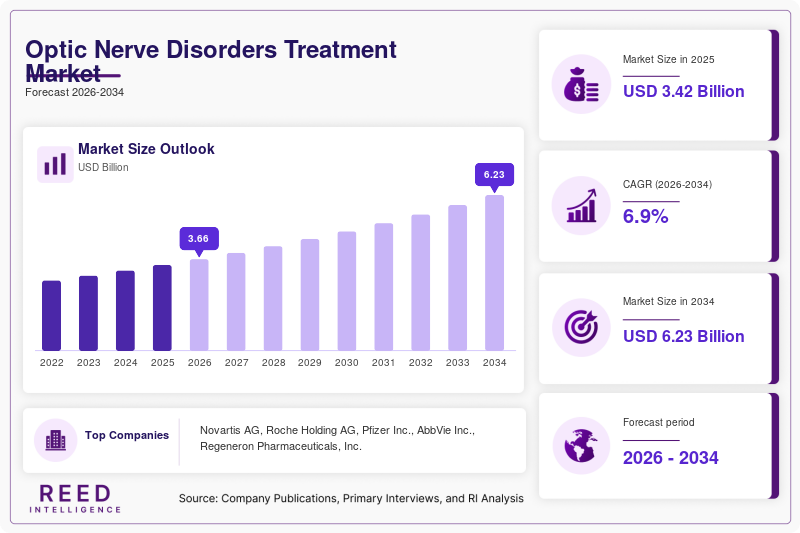
The global Optic Nerve Disorders Treatment Market size was valued at USD 3.42 billion in 2025 and is projected to reach USD 6.18 billion by 2033, expanding at a compound annual growth rate (CAGR) of 6.9% during 2025–2034. The market is gaining traction as healthcare systems worldwide continue to strengthen diagnostic capabilities for neurological and ophthalmic conditions. Optic nerve disorders, including glaucoma-related optic neuropathy, optic neuritis, ischemic optic neuropathy, and traumatic optic nerve damage, require targeted therapies to prevent progressive vision loss.
One global factor supporting market expansion has been the growing adoption of advanced ophthalmic diagnostics and early screening programs. Healthcare providers increasingly rely on optical coherence tomography (OCT), visual field testing, and neuro-imaging technologies to detect optic nerve damage at earlier stages. Early diagnosis improves treatment outcomes and expands the patient pool eligible for therapeutic intervention, thereby stimulating demand for pharmaceutical and surgical treatment options.
Key Highlights
- North America accounted for 38.6% of global market share in 2025, while Asia Pacific is expected to register the fastest CAGR of 8.1% during 2025–2034.
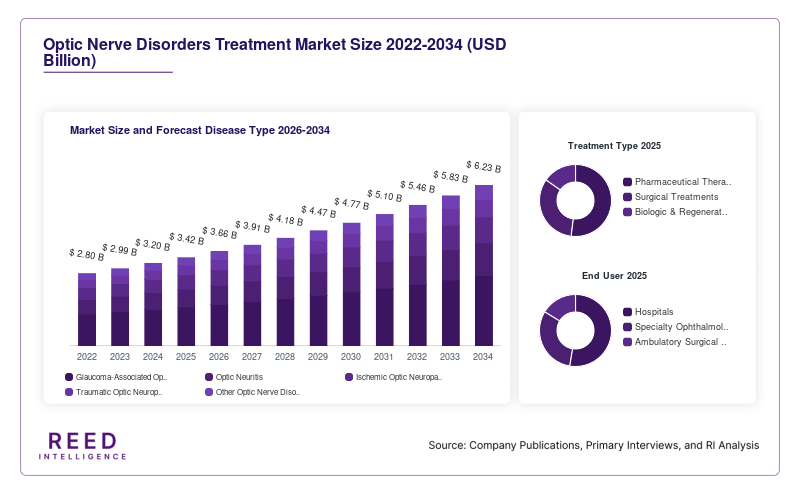
- In segmentation, glaucoma-associated optic neuropathy treatments represented the largest disease type segment with 44.3% share in 2025, whereas optic neuritis treatments are projected to grow at a CAGR of 7.6%.
- By treatment type, pharmaceutical therapies dominated with 61.2% share, while biologic and regenerative therapies are expected to expand at 8.4% CAGR.
- The United States remained the dominant country market with USD 1.08 billion in 2025 and is estimated to reach USD 1.15 billion in 2026.
Market Trends
Expansion of Neuroprotective Therapeutics
A significant trend shaping the Optic Nerve Disorders Treatment Marketis the growing focus on neuroprotective therapies. Traditional treatments have primarily aimed to control underlying causes such as intraocular pressure in glaucoma or inflammation in optic neuritis. However, recent clinical research has shifted toward therapies that directly protect retinal ganglion cells and optic nerve fibers from degeneration. Pharmaceutical companies are exploring molecules that regulate mitochondrial activity, oxidative stress, and inflammatory pathways associated with optic nerve damage. This trend reflects the increasing recognition that preserving nerve function is essential for preventing permanent vision impairment.
Integration of Regenerative Medicine Approaches
Another notable trend in the Optic Nerve Disorders Treatment Marketis the emergence of regenerative medicine strategies. Stem cell therapy, gene therapy, and tissue regeneration technologies are being investigated to repair or replace damaged optic nerve tissues. Several biotechnology companies are conducting early-stage clinical studies aimed at restoring nerve signaling pathways and promoting neuronal regeneration. While these technologies remain in development, the integration of regenerative therapies represents a shift toward long-term restoration of visual function rather than symptom management. As regulatory frameworks evolve and clinical evidence expands, regenerative medicine could significantly influence the future outlook of the market.
Market Drivers
Increasing Prevalence of Vision
The rising prevalence of neurological and ophthalmic conditions affecting the optic nerve has been a major driver for the Optic Nerve Disorders Treatment Market. Disorders such as glaucoma, multiple sclerosis-associated optic neuritis, and ischemic optic neuropathy are becoming more common due to demographic aging and lifestyle-related risk factors. As life expectancy increases globally, the incidence of degenerative eye diseases also rises. This trend expands the patient population requiring medical intervention and long-term disease management.
Healthcare providers are placing greater emphasis on vision preservation, which has encouraged earlier treatment initiation and improved patient compliance with therapy protocols. As a result, demand for pharmaceutical drugs, corticosteroids, and neuroprotective therapies continues to grow.
Advancements in Ophthalmic Therapeutics and Drug Delivery
Another important driver is the advancement of drug delivery systems designed specifically for ocular diseases. Innovative delivery technologies such as intravitreal injections, sustained-release implants, and targeted drug carriers have improved treatment effectiveness for optic nerve disorders. These approaches enhance drug bioavailability within ocular tissues while minimizing systemic side effects.
Pharmaceutical companies are also developing combination therapies that address multiple disease mechanisms simultaneously. Such innovations improve therapeutic outcomes and support continued expansion of the Optic Nerve Disorders Treatment Marketacross both developed and emerging healthcare systems.
Market Restraint
High Treatment Costs and Limited Accessibility in Developing Regions
Despite favorable growth conditions, the Optic Nerve Disorders Treatment Marketfaces challenges related to the high cost of advanced therapies and limited access to specialized ophthalmic care. Many treatment options, including biologic drugs and surgical procedures, involve significant healthcare expenditures. In several low- and middle-income countries, healthcare infrastructure may not adequately support advanced diagnostic tools required for accurate optic nerve disease identification.
Limited insurance coverage and reimbursement policies further restrict patient access to specialized treatments. This barrier often results in delayed diagnosis or reliance on basic symptomatic therapies rather than targeted interventions.
Moreover, the development of innovative therapies such as gene-based treatments requires substantial research investment and long regulatory approval timelines. These factors can increase product pricing and delay market entry for new treatments. Consequently, affordability and accessibility remain key issues influencing adoption rates across certain regions.
Addressing these challenges will require coordinated efforts among healthcare providers, regulatory authorities, and pharmaceutical manufacturers to expand treatment availability and reduce overall healthcare costs associated with optic nerve disorder management.
Market Opportunities
Expansion of Gene Therapy Research
Gene therapy represents an emerging opportunity within the Optic Nerve Disorders Treatment Market. Several optic nerve conditions have genetic or molecular components that may be addressed through targeted genetic interventions. Research initiatives are focusing on modifying gene expression to repair damaged neurons or improve retinal ganglion cell survival. As gene therapy platforms mature and clinical evidence grows, these technologies may provide new therapeutic options for conditions previously considered irreversible.
Biotechnology firms and academic research institutions are increasingly collaborating to accelerate gene therapy development for ophthalmic disorders. The commercialization of these therapies could expand the treatment landscape significantly.
Growth of Tele-Ophthalmology and Remote Monitoring
The growing adoption of tele-ophthalmology platforms offers another opportunity for market expansion. Digital health technologies allow ophthalmologists to remotely monitor patients with chronic optic nerve disorders, improving disease management and treatment adherence. Remote diagnostic tools and artificial intelligence-assisted imaging analysis enable earlier detection of disease progression.
Telemedicine platforms also extend access to specialized ophthalmic care in rural and underserved areas. As digital healthcare infrastructure continues to develop, remote patient monitoring solutions are expected to support wider adoption of treatments in the Optic Nerve Disorders Treatment Market.
Segmental Analysis
By Disease Type
Glaucoma-associated optic neuropathy represented the largest disease type segment, accounting for 44.3% share of the Optic Nerve Disorders Treatment Market in 2025. This dominance was attributed to the high global prevalence of glaucoma and its strong association with progressive optic nerve damage. Patients diagnosed with glaucoma often require long-term treatment to manage intraocular pressure and protect optic nerve function. Consequently, pharmaceutical therapies and surgical interventions targeting glaucoma-related nerve damage generated significant demand.
Optic neuritis is projected to become the fastest-growing disease segment, expanding at a CAGR of 7.6% during the forecast period. Growth will be driven by increasing diagnosis of autoimmune neurological disorders, particularly those associated with demyelinating diseases. As diagnostic technologies improve, earlier identification of optic neuritis cases will expand the patient population eligible for corticosteroid and immunotherapy treatments.
By Treatment Type
Pharmaceutical therapies accounted for the largest share of the Optic Nerve Disorders Treatment Market at 61.2% in 2025. Drug-based treatments including corticosteroids, neuroprotective agents, and anti-inflammatory medications are commonly prescribed to manage optic nerve inflammation and prevent further degeneration. These therapies remain the primary line of treatment in most clinical settings due to their availability and established clinical guidelines.
Biologic and regenerative therapies are expected to represent the fastest-growing treatment segment with a projected CAGR of 8.4%. Ongoing research in stem cell therapy, gene therapy, and neuro-regenerative drugs will contribute to the expansion of this segment. As clinical evidence supporting regenerative medicine grows, healthcare providers will increasingly adopt these therapies for complex optic nerve disorders that require long-term functional restoration.
By End-User
Hospitals represented the dominant end-user segment, capturing 52.8% of the Optic Nerve Disorders Treatment Market in 2025. Hospitals typically possess advanced diagnostic equipment and multidisciplinary medical teams capable of managing complex ophthalmic conditions. These facilities frequently serve as primary centers for surgical procedures, emergency care, and specialized neurological treatment related to optic nerve damage.
Specialty ophthalmology clinics are projected to experience the fastest growth with a CAGR of 7.5%. The expansion of dedicated eye care centers is enabling patients to access specialized diagnostic and treatment services more efficiently. These clinics often focus on advanced imaging technologies and personalized treatment plans, contributing to improved patient outcomes.
By Distribution Channel
Hospital pharmacies accounted for the largest distribution channel share at 46.7% in 2025. Since many optic nerve disorder treatments are administered during hospital visits or specialized consultations, hospital pharmacies play a crucial role in dispensing prescription medications and managing drug inventories.
Online pharmacies are expected to record the fastest CAGR of 7.8% during the forecast period. The growing acceptance of digital healthcare platforms and online prescription services will support the expansion of this segment. Patients managing chronic optic nerve conditions are increasingly using online pharmacy platforms to refill medications conveniently, contributing to segment growth.
Regional Analysis
North America
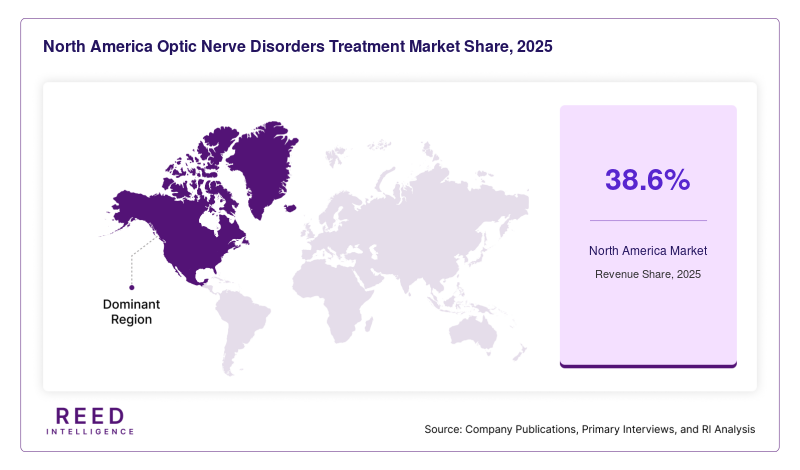
North America held 38.6% share of the global Optic Nerve Disorders Treatment Market in 2025. The region benefited from a well-established ophthalmology healthcare infrastructure and widespread access to advanced diagnostic technologies. Over the forecast period, the regional market is expected to grow at a CAGR of 6.4% between 2025 and 2034. Continued investment in neurological and ophthalmic research will support steady market expansion.
The United Statesrepresented the dominant country within North America. Growth in the country has been influenced by strong research activity related to optic nerve regeneration and neuro-ophthalmology. Academic medical centers and biotechnology companies are actively conducting clinical trials exploring innovative treatments for optic neuropathies. Additionally, a high prevalence of glaucoma and other chronic eye diseases has created sustained demand for therapeutic interventions.
Europe
Europe accounted for 27.8% of the Optic Nerve Disorders Treatment Market share in 2025. The regional market is projected to grow at a CAGR of 6.1% during the forecast period. Government-supported healthcare programs and increasing investment in ophthalmology research contribute to market development across several European countries.
Germanyemerged as the leading national market in the region. Growth in Germany has been supported by advanced hospital networks and a strong pharmaceutical manufacturing sector. The country’s focus on clinical research and medical innovation has encouraged the adoption of novel treatment approaches for optic nerve disorders.
Asia Pacific
Asia Pacific represented 21.4% of global market share in 2025and is projected to expand at the fastest CAGR of 8.1% between 2025 and 2034. Rapid improvements in healthcare infrastructure and growing public awareness regarding vision health have increased the demand for optic nerve disorder treatments in the region.
Chinadominated the regional market due to its large population base and increasing investment in ophthalmology services. Government initiatives aimed at improving access to eye care services have expanded the availability of diagnostic and treatment facilities. Additionally, domestic pharmaceutical manufacturers are actively developing cost-effective therapies for neurological eye diseases.
Middle East & Africa
The Middle East & Africa region accounted for 6.5% share of the Optic Nerve Disorders Treatment Market in 2025. The market is anticipated to grow at a CAGR of 6.8% during the forecast period. Gradual improvements in healthcare infrastructure and expanding private healthcare investments are expected to support market growth.
The United Arab Emiratesemerged as the leading country market in the region. Healthcare modernization programs and investments in specialized ophthalmology centers have improved access to advanced treatments for optic nerve disorders. Increasing medical tourism has also supported the adoption of modern ophthalmic treatment procedures.
Latin America
Latin America held 5.7% of global market share in 2025and is projected to grow at a CAGR of 6.6% between 2025 and 2034. Market growth in the region has been supported by expanding healthcare coverage and rising awareness of vision health.
Brazilrepresented the dominant national market in Latin America. Government-supported public healthcare programs and a growing network of ophthalmology clinics have improved access to treatment for optic nerve disorders. Additionally, increased collaborations between international pharmaceutical companies and regional distributors have enhanced product availability across the Brazilian healthcare system.
Competitive Landscape
The Optic Nerve Disorders Treatment Marketfeatures a moderately competitive landscape characterized by pharmaceutical companies and biotechnology firms focusing on ophthalmology therapeutics. Leading companies emphasize research and development, clinical trials, and strategic collaborations to strengthen their product portfolios.
Among market participants, Novartis AGhas emerged as a key market leader due to its strong ophthalmology portfolio and continuous investment in neurological eye disease research. The company has recently advanced clinical studies focused on neuroprotective therapies designed to slow optic nerve degeneration.
Other prominent players include Roche Holding AG, Pfizer Inc., AbbVie Inc., and Regeneron Pharmaceuticals, Inc., each contributing to market development through innovative drug development and global distribution networks. Strategic partnerships between pharmaceutical firms and research institutions are expected to drive continued therapeutic innovation across the market.
Key Players in the Optic Nerve Disorders Treatment Market
- Novartis AG
- Roche Holding AG
- Pfizer Inc.
- AbbVie Inc.
- Regeneron Pharmaceuticals, Inc.
- Bayer AG
- Sanofi S.A.
- Johnson & Johnson
- AstraZeneca plc
- Alcon Inc.
- Santen Pharmaceutical Co., Ltd.
- Bausch Health Companies Inc.
- Otsuka Pharmaceutical Co., Ltd.
- Teva Pharmaceutical Industries Ltd.
- Sun Pharmaceutical Industries Ltd.
Recent Developments
- 2024: Novartis AG expanded its ophthalmology research program to explore neuroprotective therapies targeting retinal ganglion cell preservation.
- 2024: Regeneron Pharmaceuticals, Inc. initiated a clinical study focused on biologic treatments for inflammatory optic nerve conditions.
- 2023: Roche Holding AG collaborated with biotechnology firms to evaluate gene therapy technologies for optic neuropathy treatment.
- 2023: Alcon Inc. introduced advanced ophthalmic surgical technologies designed to support optic nerve preservation procedures.
- 2022: Pfizer Inc. expanded research partnerships to investigate anti-inflammatory therapies for neuro-ophthalmic disorders.
Optic Nerve Disorders Treatment Market Segments
Disease Type
- Glaucoma-Associated Optic Neuropathy
- Optic Neuritis
- Ischemic Optic Neuropathy
- Traumatic Optic Neuropathy
- Other Optic Nerve Disorders
Treatment Type
- Pharmaceutical Therapies
- Surgical Treatments
- Biologic & Regenerative Therapies
End User
- Hospitals
- Specialty Ophthalmology Clinics
- Ambulatory Surgical Centers
Distribution Channel
- Hospital Pharmacies
- Retail Pharmacies
- Online Pharmacies
By Region
- North America
- Europe
- APAC
- Middle East and Africa
- LATAM