Rhum Agricole Market Size, Share Demand Report By Product Type (White Rhum Agricole, Aged Rhum Agricole, Flavored Rhum Agricole), By Application (Cocktails and Mixology, Straight Consumption, Culinary Applications), By Distribution Channel (Online Retail, Specialty Liquor Stores, Supermarkets and Hypermarkets, Bars and Restaurants, Duty-Free and Travel Retail), By Region & Segment Forecasts, 2025–2034
USD 3950
Market Overview
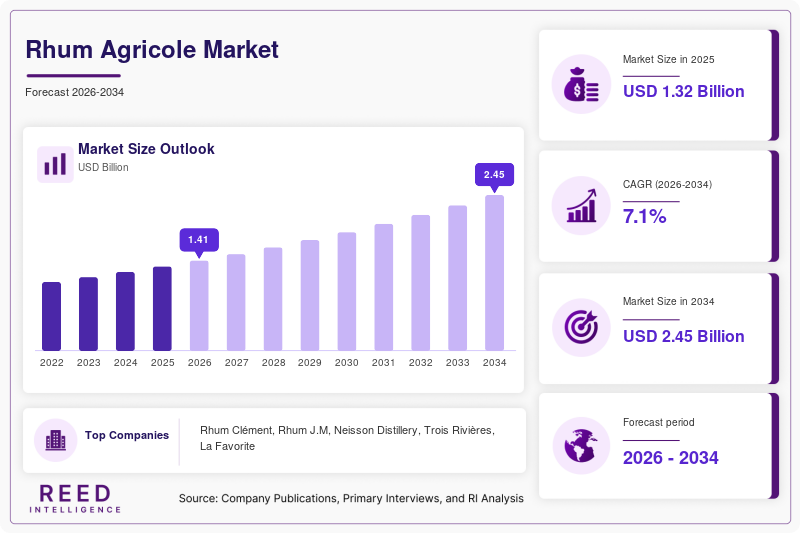
The Rhum Agricole Market size is witnessing steady expansion driven by rising global demand for premium and artisanal spirits. In 2025, the market size is estimated at USD 1.32 billion, with growth continuing into 2026 where it is projected to reach USD 1.41 billion. By 2034, the market is forecasted to attain approximately USD 2.58 billion, registering a compound annual growth rate (CAGR) of 7.1% from 2025 to 2034. This growth trajectory reflects increasing consumer awareness of traditional distillation techniques and the unique flavor profiles derived from fresh sugarcane juice, which distinguishes rhum agricole from molasses-based rum.
One of the primary growth factors is the premiumization trend in the alcoholic beverage industry. Consumers are shifting toward high-quality, authentic spirits with geographical indications and heritage value. Rhum agricole, largely produced in French Caribbean regions, benefits from appellation systems that ensure product authenticity, thereby attracting discerning buyers.
Key Highlights
- Market size projected to grow from USD 1.32 billion in 2025 to USD 2.58 billion by 2034
- CAGR of 7.1% during the forecast period (2025–2034)
- Premiumization and craft spirits trend boosting demand
- Strong growth supported by tourism and global distribution expansion
Market Trends
Rising Demand for Premium and Aged Spirits
A notable trend in the Rhum Agricole Market is the increasing consumer preference for premium and aged variants. Consumers are showing greater interest in spirits with distinctive aging processes, such as those matured in oak barrels, which enhance complexity and flavor depth. This trend is particularly evident in developed markets where consumers associate aged spirits with sophistication and quality. Producers are responding by expanding their portfolios with vintage editions and limited releases. The growing popularity of sipping spirits over traditional mixed drinks also contributes to higher demand for premium rhum agricole offerings, reinforcing long-term market growth.
Growth of Sustainable and Organic Production Practices
Another emerging trend is the shift toward sustainable and organic production. Distilleries are increasingly adopting eco-friendly cultivation methods for sugarcane and reducing carbon footprints in distillation processes. Certifications related to organic farming and fair trade practices are becoming important differentiators in the market. Consumers, particularly millennials and Gen Z, are placing value on environmental responsibility, influencing purchasing decisions. This trend is prompting manufacturers to invest in renewable energy, water conservation, and waste reduction initiatives, thereby aligning production with evolving consumer expectations and regulatory standards.
Market Drivers
Expansion of Craft Cocktail Culture
The expansion of craft cocktail culture is a significant driver of the Rhum Agricole Market. Bartenders and mixologists are increasingly incorporating rhum agricole into innovative cocktails due to its fresh, grassy flavor profile. This has led to greater visibility in upscale bars and restaurants, especially in metropolitan areas. The versatility of rhum agricole allows it to be used in both classic and contemporary recipes, enhancing its appeal. As cocktail culture continues to evolve, demand for distinctive ingredients is expected to grow, supporting market expansion.
Increasing Consumer Preference for Authentic and Heritage Products
Consumers are increasingly drawn to products with a strong cultural and historical background. Rhum agricole, often produced under strict geographical indications, offers a sense of authenticity that resonates with modern buyers. The emphasis on traditional distillation methods and regional identity enhances product differentiation. This driver is particularly strong in Europe and North America, where consumers are willing to pay a premium for heritage spirits. The growing interest in storytelling and brand narratives further strengthens this trend, contributing to sustained market growth.
Market Restraint
Limited Production Capacity and High Production Costs
A major restraint in the Rhum Agricole Market is the limited production capacity due to its reliance on fresh sugarcane juice. Unlike molasses-based rum, rhum agricole production is seasonal and requires immediate processing of harvested cane, restricting scalability. Additionally, the production process involves higher costs, including labor-intensive cultivation and specialized distillation techniques. These factors lead to higher retail prices, limiting accessibility in price-sensitive markets.
The impact of this restraint is evident in emerging economies where consumers may opt for more affordable alternatives. For example, local rum brands with lower production costs often dominate market share in regions with limited disposable income. This pricing disparity poses challenges for rhum agricole producers seeking to expand globally. Despite growing demand, supply constraints and cost pressures may hinder rapid market penetration, particularly in competitive segments.
Market Opportunities
Expansion into Emerging Markets
Emerging markets present significant growth opportunities for the Rhum Agricole Market. Increasing urbanization, rising disposable incomes, and changing lifestyle preferences are driving demand for premium alcoholic beverages. Countries in Asia Pacific and Latin America are witnessing a surge in interest for imported spirits, creating favorable conditions for market entry. Strategic partnerships with local distributors and targeted marketing campaigns can help producers tap into these regions effectively. As awareness of rhum agricole grows, these markets are expected to contribute substantially to future revenue.
Product Innovation and Flavor Diversification
Product innovation offers another promising opportunity. Producers are experimenting with new flavor profiles, including fruit infusions, spice blends, and unique aging techniques. These innovations cater to evolving consumer preferences and expand the product portfolio. Limited edition releases and seasonal variants can attract collectors and enthusiasts, driving repeat purchases. Additionally, innovation in packaging and branding can enhance shelf appeal and differentiate products in competitive retail environments. This focus on creativity and diversification is likely to play a key role in sustaining long-term market growth.
Segmental Analysis
By Type
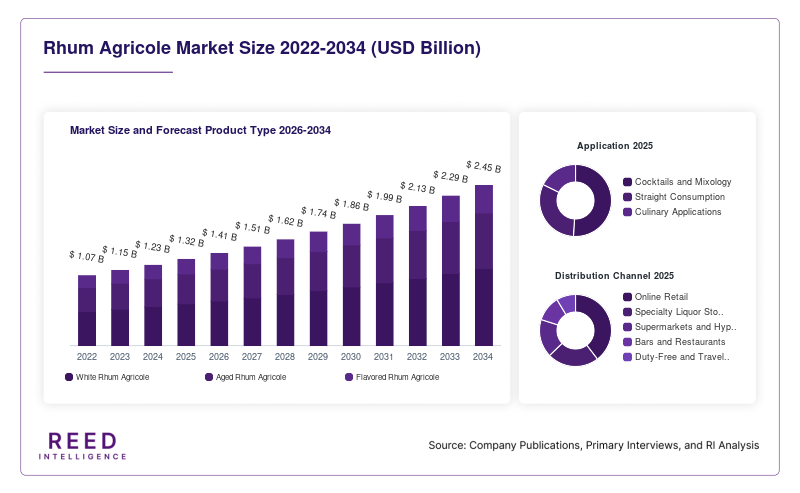
The white rhum agricole segment dominated the market in 2024, accounting for approximately 48% of total share. This dominance is attributed to its versatility in cocktails and widespread use in mixology. White rhum agricole is favored for its fresh and vibrant flavor profile, making it a popular choice in bars and restaurants. Its relatively lower price compared to aged variants also contributes to higher consumption volumes, particularly in emerging markets.
The aged rhum agricole segment is projected to be the fastest-growing, with a CAGR of 8.0%. Growth is driven by increasing consumer preference for premium and sipping spirits. Aging enhances flavor complexity, attracting connoisseurs and collectors. The rising trend of gifting premium spirits also supports demand for aged variants, contributing to segment growth.
By Application
The cocktails segment held the largest market share in 2024, accounting for around 55%. The widespread use of rhum agricole in cocktails, particularly in upscale bars, drives this dominance. Its unique flavor profile enhances the taste of various drinks, making it a preferred choice among mixologists. The growing popularity of craft cocktails further supports this segment.
The straight consumption segment is expected to grow at a CAGR of 7.8%. Increasing consumer interest in premium spirits and sipping experiences is driving this growth. Aged rhum agricole variants are particularly popular in this segment, offering rich and complex flavors. The trend toward mindful drinking and appreciation of quality over quantity also supports this segment.
By Distribution Channel
The offline segment dominated the market in 2024 with a share of 65%. Traditional retail outlets, specialty stores, and bars play a crucial role in product distribution. Consumers often prefer in-store purchases for premium spirits, allowing them to explore product options and seek expert recommendations.
The online segment is expected to grow at a CAGR of 9.0%, making it the fastest-growing channel. E-commerce platforms offer convenience and access to a wider range of products. The increasing adoption of digital shopping and direct-to-consumer models supports this growth. Online promotions and exclusive releases further attract consumers, contributing to segment expansion.
Regional Analysis
North America
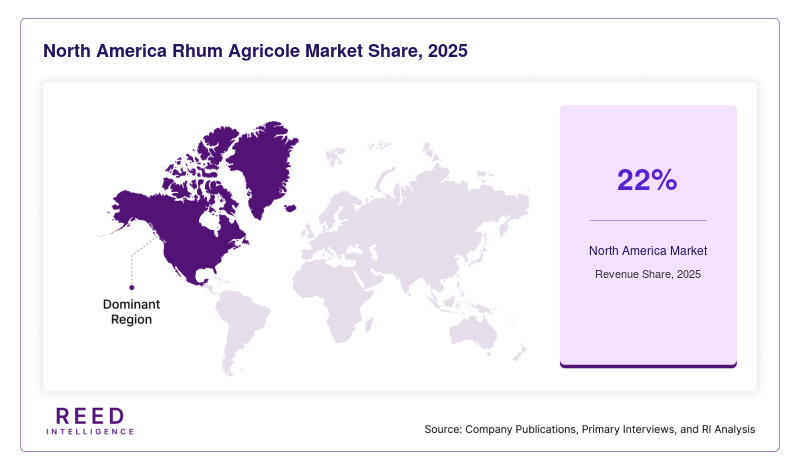
North America accounted for approximately 22% of the Rhum Agricole Market share in 2025 and is expected to grow at a CAGR of 6.8% through 2034. The region benefits from a well-established premium spirits market and a strong presence of craft cocktail culture. Increasing consumer interest in artisanal beverages and imported spirits supports steady demand growth. Retail expansion and online distribution channels further enhance accessibility, contributing to market development.
The United States dominates the regional market due to its large consumer base and evolving drinking preferences. A unique growth factor is the rising popularity of mixology and bartender-led brand promotion. Influential bars and hospitality venues are introducing rhum agricole to a broader audience, driving awareness and consumption. This trend is expected to sustain growth over the forecast period.
Europe
Europe held around 28% market share in 2025 and is projected to grow at a CAGR of 7.0%. The region’s strong cultural ties to rhum agricole production, particularly in French territories, support its market position. Consumer preference for high-quality spirits and established distribution networks contribute to consistent demand. Regulatory frameworks ensuring product authenticity further enhance market credibility.
France is the dominant country in this region, supported by its historical connection to rhum agricole production. A unique growth factor is the presence of appellation d'origine contrôlée (AOC) certification, which ensures product quality and origin. This certification enhances consumer trust and supports premium pricing, driving market growth.
Asia Pacific
Asia Pacific accounted for approximately 18% market share in 2025 and is expected to register the fastest CAGR of 8.2%. Rapid urbanization, increasing disposable income, and growing interest in premium spirits are key growth drivers. The region’s expanding middle class is contributing to higher consumption of imported alcoholic beverages.
Japan leads the market in Asia Pacific due to its mature spirits industry and appreciation for craftsmanship. A unique growth factor is the integration of rhum agricole into local cocktail culture. High-end bars and restaurants are introducing innovative cocktails featuring rhum agricole, increasing its popularity among consumers.
Middle East & Africa
The Middle East & Africa region held a 10% market share in 2025 and is projected to grow at a CAGR of 6.5%. Growth is driven by the expanding hospitality sector and increasing tourism in select countries. While regulatory restrictions limit alcohol consumption in some areas, premium spirits demand is rising in urban centers and tourist destinations.
South Africa is the leading market in this region. A unique growth factor is the development of premium retail and duty-free channels. International travelers and expatriates contribute to demand, supporting market growth despite regulatory challenges.
Latin America
Latin America accounted for 22% market share in 2025 and is expected to grow at a CAGR of 7.4%. The region’s cultural affinity for sugarcane-based spirits supports strong demand. Local production and consumption patterns contribute to market stability and growth.
Brazil dominates the regional market due to its large population and established spirits industry. A unique growth factor is the increasing export potential of regional spirits. Producers are leveraging global distribution networks to expand their reach, contributing to overall market growth.
Competitive Landscape
The Rhum Agricole Market is moderately fragmented, with several established players and emerging craft distilleries competing for market share. Leading companies focus on product innovation, premiumization, and expanding distribution networks to strengthen their position. The competitive landscape is characterized by strong brand heritage and emphasis on authenticity.
A leading player in the market is Rhum Clément, known for its high-quality aged variants and strong brand recognition. The company has recently introduced limited edition releases to cater to premium consumers. Other key players are also investing in sustainable practices and expanding their presence in emerging markets. Strategic partnerships and collaborations with distributors and hospitality businesses are common strategies adopted by market participants.
Key Players List
- Rhum Clément
- Rhum J.M
- Neisson Distillery
- Trois Rivières
- La Favorite
- Depaz Distillery
- Damoiseau
- Bielle Distillery
- Saint James
- Bellevue Distillery
- Karukera
- Dillon Distillery
- Longueteau
- Montebello
- Reimonenq
Recent Developments
- In 2024, a leading producer launched a new organic rhum agricole line, focusing on sustainable production practices.
- In 2025, a major distillery expanded its distribution network in Asia Pacific to capture emerging market demand.
- In 2025, a premium brand introduced a limited-edition aged variant targeting collectors and high-end consumers.
Rhum Agricole Market Segments
Product Type
- White Rhum Agricole
- Aged Rhum Agricole
- Flavored Rhum Agricole
Application
- Cocktails and Mixology
- Straight Consumption
- Culinary Applications
Distribution Channel
- Online Retail
- Specialty Liquor Stores
- Supermarkets and Hypermarkets
- Bars and Restaurants
- Duty-Free and Travel Retail
By Region
- North America
- Europe
- APAC
- Middle East and Africa
- LATAM