Scrub Typhus Treatment Market Size, Share & Demand Report By Drug Class (Tetracyclines, Macrolides, Rifamycins, Others), By Route of Administration (Oral, Injectable), By End-Use (Hospitals, Clinics, Homecare), By Distribution Channel (Hospital Pharmacies, Retail Pharmacies, Online Pharmacies), By Region & Segment Forecasts, 2026–2034
USD 3950
Market Overview
The global Scrub Typhus Treatment Market size was valued at USD 1.42 billion in 2026 and is projected to reach USD 2.68 billion by 2034, expanding at a CAGR of 8.2% from 2026 to 2034. The market growth is primarily supported by the rising prevalence of vector-borne infectious diseases across tropical and subtropical regions, where scrub typhus remains endemic. Increasing awareness among healthcare providers and improvements in diagnostic capabilities have also contributed to early detection and timely treatment, strengthening market expansion.
The global healthcare infrastructure development, particularly in emerging economies, has played a key role in facilitating access to antibiotics and supportive therapies. Governments and international health organizations have intensified disease surveillance programs, leading to higher reported cases and demand for effective treatment options. Additionally, the expansion of pharmaceutical manufacturing capacity has improved drug availability in rural and remote areas.

Key Highlights:
- Asia Pacific dominated the market with a 46.5% share in 2025, while it is expected to be the fastest-growing region with a CAGR of 9.1%.
- By drug class, antibiotics (tetracyclines) held the leading share at 38.7% in 2025, while macrolides are projected to grow fastest at a CAGR of 8.9%.
- By route of administration, oral formulations dominated with 61.2% share, whereas injectables are expected to witness faster growth at a CAGR of 8.5%.
- India, the dominant country, recorded USD 320 million in 2024 and USD 346 million in 2025 in market value.
Market Trends
Expansion of Rapid Diagnostic Integration
The integration of rapid diagnostic tests with treatment protocols is reshaping the Scrub Typhus Treatment Market. Healthcare systems are increasingly adopting point-of-care diagnostics that enable faster identification of scrub typhus infections. This trend supports timely antibiotic administration, reducing complications and mortality rates. Pharmaceutical companies are aligning their treatment portfolios with diagnostic advancements, creating bundled care approaches that combine detection and therapy. The expansion of diagnostic infrastructure in rural and semi-urban regions has further amplified demand for targeted treatment solutions, reinforcing market growth.
Shift Toward Combination Antibiotic Therapy
A growing trend in the Scrub Typhus Treatment Market is the shift toward combination antibiotic therapy, particularly in cases of drug resistance or severe infections. Clinicians are increasingly using combinations of tetracyclines, macrolides, and rifamycins to improve therapeutic outcomes. This approach enhances efficacy, reduces relapse rates, and addresses emerging antibiotic resistance concerns. Pharmaceutical research is focusing on optimizing dosage combinations and improving treatment adherence. The trend is particularly prominent in high-burden regions where recurrent infections and delayed diagnosis necessitate more robust treatment regimens.
Market Drivers
Rising Incidence of Scrub Typhus in Endemic Regions
The increasing incidence of scrub typhus in endemic regions such as Asia Pacific and parts of Africa has significantly driven the Scrub Typhus Treatment Market. Environmental changes, including deforestation and urbanization, have expanded the habitat of vector mites, increasing human exposure. Seasonal outbreaks have become more frequent, prompting governments to prioritize disease management. This rising disease burden has directly increased demand for effective treatment options, including antibiotics and supportive therapies.
Improvements in Healthcare Access and Awareness
Enhanced healthcare access and growing awareness about scrub typhus symptoms have contributed to market growth. Public health campaigns and training programs for healthcare professionals have improved diagnosis rates. Patients are increasingly seeking medical attention at earlier stages of infection, leading to higher treatment adoption. Expanding healthcare infrastructure in developing countries has also facilitated the availability of essential medications, further supporting market expansion.
Market Restraint
Limited Awareness in Remote and Underserved Areas
Despite advancements in healthcare systems, limited awareness about scrub typhus in remote and underserved regions remains a significant restraint in the Scrub Typhus Treatment Market. Many patients fail to recognize early symptoms, leading to delayed diagnosis and treatment. This delay often results in severe complications, reducing the effectiveness of standard therapies. Additionally, healthcare facilities in rural areas may lack trained personnel and diagnostic tools, hindering timely intervention. The absence of structured surveillance systems in certain regions further limits case reporting and treatment uptake. Addressing this gap requires sustained public health initiatives, improved healthcare accessibility, and targeted awareness campaigns.
Market Opportunities
Development of Novel Antibiotic Formulations
The development of novel antibiotic formulations presents a significant opportunity in the Scrub Typhus Treatment Market. Pharmaceutical companies are investing in research to create more effective and patient-friendly drugs with improved pharmacokinetics. Innovations such as extended-release formulations and combination therapies can enhance treatment adherence and outcomes. These advancements are expected to address challenges related to drug resistance and compliance, creating new growth avenues.
Expansion of Telemedicine and Digital Health Platforms
The adoption of telemedicine and digital health platforms offers promising growth opportunities for the Scrub Typhus Treatment Market. Remote consultations enable early diagnosis and prompt prescription of treatment, especially in rural areas. Digital platforms also facilitate disease monitoring and patient follow-up, improving treatment outcomes. Governments and healthcare providers are increasingly integrating telehealth solutions into public health systems, expanding access to care and boosting demand for treatment solutions.
Segmental Analysis
By Drug Class
Antibiotics dominated the Scrub Typhus Treatment Market, with tetracyclines accounting for 38.7% share in 2025. Their widespread use as first-line treatment and proven efficacy have supported their leading position. Healthcare providers prefer tetracyclines due to their cost-effectiveness and availability, making them the primary choice in endemic regions.
Macrolides are expected to be the fastest-growing subsegment, with a projected CAGR of 8.9%. Their suitability for patients intolerant to tetracyclines and improved safety profile will drive adoption. Increasing use in pediatric and pregnant populations will further support growth.
By Route of Administration
Oral administration held the dominant share of 61.2% in 2025, driven by ease of use and widespread availability. Oral drugs are preferred for mild to moderate cases, enabling outpatient treatment and reducing healthcare costs.
Injectable formulations will witness faster growth, with a CAGR of 8.5%. Their use in severe cases requiring immediate intervention will drive demand. Hospitals are increasingly adopting injectable treatments for critical patients, supporting segment expansion.
By End-Use
Hospitals accounted for the largest share at 52.4% in 2025, as they serve as primary treatment centers for severe infections. Availability of advanced diagnostic tools and specialized care has reinforced their dominance.
Homecare settings are projected to grow at a CAGR of 8.3%, driven by increasing preference for outpatient treatment and remote monitoring. Advances in telemedicine will support this trend, enabling effective treatment outside hospital settings.
By Distribution Channel
Hospital pharmacies dominated with a 47.8% share in 2025, due to direct access to patients receiving treatment. Their integration with hospital systems ensures timely drug availability.
Online pharmacies are expected to grow at a CAGR of 9.0%, driven by increasing digital adoption and convenience. Patients are increasingly purchasing medications online, particularly in urban areas, boosting segment growth.
Regional Analysis
North America
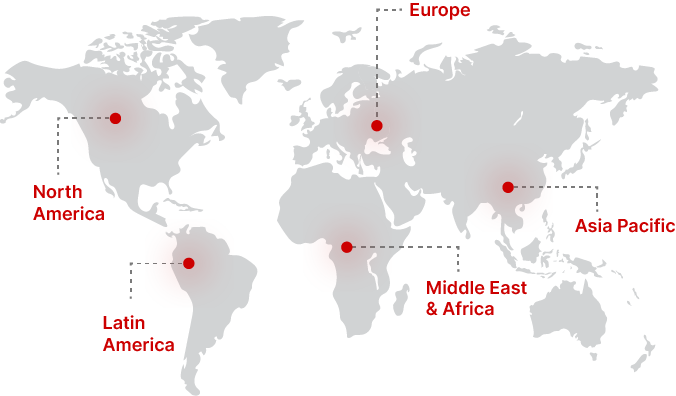
North America accounted for 12.8% of the Scrub Typhus Treatment Market share in 2025 and is expected to grow at a CAGR of 6.7% from 2026 to 2034. The region’s growth trajectory will be driven by increasing awareness among healthcare professionals and improved diagnostic capabilities. Research initiatives focusing on infectious diseases will further support market development.
The United States dominated the regional market due to advanced healthcare infrastructure and strong pharmaceutical supply chains. Increased travel-related cases have prompted healthcare providers to enhance diagnostic and treatment readiness, contributing to steady market growth.
Europe
Europe held 14.6% market share in 2025 and is projected to grow at a CAGR of 7.1% during the forecast period. The region benefits from well-established healthcare systems and rising focus on infectious disease surveillance. Government initiatives aimed at improving disease monitoring will drive market expansion.
Germany emerged as the dominant country, supported by its robust healthcare system and research capabilities. The country’s emphasis on early diagnosis and treatment protocols has contributed to consistent demand for scrub typhus treatment solutions.
Asia Pacific
Asia Pacific captured the largest share at 46.5% in 2025 and will grow at a CAGR of 9.1% through 2034. The region’s high disease prevalence and large population base will continue to drive market growth. Increasing healthcare investments and improved access to treatment will further strengthen market dynamics.
India led the regional market due to its high incidence rate and expanding healthcare infrastructure. Government-led awareness campaigns and improved diagnostic facilities have significantly boosted treatment adoption across urban and rural areas.
Middle East & Africa
The Middle East & Africa accounted for 13.2% share in 2025 and is expected to grow at a CAGR of 7.8%. The region’s growth will be supported by increasing healthcare investments and rising awareness about infectious diseases. Expansion of healthcare facilities in rural areas will further enhance treatment accessibility.
South Africa dominated the region due to its relatively advanced healthcare infrastructure. The country’s efforts to improve disease surveillance and treatment availability have contributed to steady market growth.
Latin America
Latin America held 12.9% share in 2025 and is projected to grow at a CAGR of 7.5%. The region will benefit from improving healthcare systems and increasing focus on infectious disease management. Government initiatives aimed at enhancing healthcare access will support market expansion.
Brazil emerged as the leading country, driven by its large population and expanding healthcare infrastructure. Increased awareness and improved diagnostic capabilities have contributed to rising demand for scrub typhus treatment solutions.
Competitive Landscape
The Scrub Typhus Treatment Market is moderately fragmented, with several pharmaceutical companies competing based on product availability and regional presence. Leading players focus on expanding their antibiotic portfolios and strengthening distribution networks. One major market leader has been actively investing in research to develop improved antibiotic formulations and enhance treatment outcomes.
Recent developments include collaborations between pharmaceutical companies and healthcare organizations to improve access to treatment in endemic regions. Companies are also focusing on expanding manufacturing capabilities to meet growing demand. Strategic partnerships and product launches remain key approaches adopted by market participants to strengthen their market position.
Key Players List
- Pfizer Inc.
- GlaxoSmithKline plc
- Cipla Ltd.
- Sun Pharmaceutical Industries Ltd.
- Lupin Limited
- Dr. Reddy’s Laboratories Ltd.
- Novartis AG
- Sanofi S.A.
- Bayer AG
- Abbott Laboratories
- Aurobindo Pharma Ltd.
- Zydus Lifesciences Ltd.
- Hikma Pharmaceuticals PLC
- Teva Pharmaceutical Industries Ltd.
- Mylan N.V.
Recent Developments
- In 2025, leading pharmaceutical companies expanded production capacity for tetracycline-based drugs to address rising demand in Asia Pacific.
- In 2024, a major player introduced a new macrolide formulation designed for improved patient compliance.
- Strategic collaborations between healthcare organizations and drug manufacturers increased treatment accessibility in rural regions.
- Digital health platforms were integrated with treatment protocols to enhance patient monitoring and follow-up care.
Scrub Typhus Treatment Market Segments
Drug Class
- Tetracyclines
- Macrolides
- Rifamycins
- Others
Route of Administration
- Oral
- Injectable
End-Use
- Hospitals
- Clinics
- Homecare
Distribution Channel
- Hospital Pharmacies
- Retail Pharmacies
- Online Pharmacies
By Region
- North America
- Europe
- APAC
- Middle East and Africa
- LATAM