Twist Tie Machine Market Size, Share Demand Report By Type (Automatic Twist Tie Machines, Semi-Automatic Twist Tie Machines, Manual Twist Tie Machines), By Application (Food Packaging, Industrial Packaging, Agriculture Packaging), By End-Use (Food Processing Industry, Retail & Consumer Goods, Industrial Manufacturing) By Region & Segment Forecasts, 2025–2034
USD 3950
Market Overview
The Twist Tie Machine Market size is estimated at approximately USD 1.12 billion, increasing to USD 1.18 billion in 2026. With rising demand for efficient packaging solutions and cost optimization, the market is projected to reach USD 1.86 billion by 2034, expanding at a compound annual growth rate (CAGR) of 5.8% during the forecast period (2025–2034).
Twist tie machines are widely used to seal bags for bread, vegetables, cables, and various packaged goods. Their ability to deliver consistent sealing, reduce labor dependency, and enhance productivity makes them a preferred choice in industrial packaging lines. As manufacturers increasingly focus on automation and precision, the adoption of twist tie machines continues to rise across both developed and emerging markets.

Key Highlights
- Market size is estimated at USD 1.12 billion in 2025, reflecting steady demand across packaging industries. The increasing adoption of automated machinery is supporting consistent market expansion in the near term.
- The market is projected to reach USD 1.86 billion by 2034, driven by rising industrial automation and packaging efficiency requirements. Growth is expected to remain stable across both developed and emerging economies.
- The market is expected to grow at a CAGR of 5.8% from 2025 to 2034, indicating moderate but sustained expansion. Continuous technological advancements and demand for cost-effective solutions are key contributors to this growth rate.
- The food packaging sector remains a major contributor, driven by high demand for packaged bakery products, fresh produce, and snacks. The need for hygienic and efficient sealing solutions continues to support this segment.
Market Trends
Integration of Smart Automation Technologies
The integration of smart automation technologies is reshaping the twist tie machine market. Manufacturers are incorporating features such as programmable logic controllers (PLCs), touchscreen interfaces, and IoT-enabled monitoring systems. These enhancements allow operators to monitor performance, detect faults, and optimize production in real time. Smart machines also reduce human error and improve consistency in sealing operations. Additionally, automated calibration and predictive maintenance features are becoming standard in advanced models, helping companies reduce downtime and operational costs. This trend is particularly prominent in large-scale manufacturing facilities that require high-speed and precision packaging solutions.
Growing Demand for Compact and Energy-Efficient Machines
Another key trend is the increasing demand for compact and energy-efficient twist tie machines. Small and medium enterprises are prioritizing machines that occupy less space while delivering high performance. Energy-efficient models are gaining traction due to rising electricity costs and environmental concerns. Manufacturers are focusing on lightweight materials, optimized motor systems, and reduced power consumption designs. These machines not only lower operational expenses but also support sustainability goals. The demand is especially strong in emerging economies where businesses seek affordable and efficient packaging solutions to remain competitive in local and export markets.
Market Drivers
Expansion of the Food and Beverage Packaging Industry
The rapid expansion of the food and beverage industry is a major driver for the twist tie machine market. Packaged food products such as bread, snacks, and fresh produce require secure and hygienic sealing solutions. Twist tie machines offer a reliable method to seal packaging quickly and efficiently, making them essential in modern food processing units. The increasing consumption of convenience foods and the growth of retail distribution channels are further boosting demand. Additionally, stringent food safety regulations are encouraging manufacturers to adopt automated packaging systems, which ensures consistent quality and reduces contamination risks.
Rising Adoption of Automation in Manufacturing
Automation is becoming a key focus across manufacturing industries, and this trend is driving the adoption of twist tie machines. Businesses are increasingly replacing manual labor with automated systems to improve productivity and reduce operational costs. Twist tie machines provide consistent output, faster processing speeds, and reduced labor dependency. This is particularly beneficial in high-volume production environments where efficiency is critical. Furthermore, advancements in robotics and machine integration are enabling seamless incorporation of twist tie machines into automated packaging lines, further accelerating market growth.
Market Restraint
High Initial Investment and Maintenance Costs
One of the primary restraints in the twist tie machine market is the high initial investment required for advanced machines. Fully automated systems with smart features can be expensive, making it difficult for small businesses to adopt them. In addition to the upfront cost, maintenance and repair expenses can also be significant, particularly for technologically advanced models. These costs may discourage adoption in price-sensitive markets and among small-scale manufacturers.
The impact of this restraint is evident in developing regions where budget constraints limit the adoption of automation technologies. For example, small food processing units often rely on manual or semi-automatic solutions due to cost concerns. This slows down the overall market growth and creates a gap between large and small enterprises. However, manufacturers are addressing this challenge by offering flexible financing options and developing cost-effective machine variants.
Market Opportunities
Growth in Emerging Markets
Emerging markets present significant growth opportunities for the twist tie machine market. Rapid industrialization, urbanization, and increasing disposable incomes are driving demand for packaged goods in these regions. Countries in Asia Pacific, Latin America, and Africa are witnessing a surge in food processing and manufacturing activities. This creates a strong demand for efficient packaging solutions, including twist tie machines. Additionally, government initiatives supporting small and medium enterprises are encouraging businesses to invest in automation, further expanding the market.
Development of Eco-Friendly Packaging Solutions
The growing focus on sustainability is creating opportunities for eco-friendly twist tie machines and materials. Manufacturers are developing machines compatible with biodegradable and recyclable twist ties. This aligns with global environmental regulations and consumer preferences for sustainable products. Companies that invest in green technologies and eco-friendly solutions are likely to gain a competitive advantage. Moreover, the adoption of sustainable packaging practices is becoming a key differentiator in the market, driving innovation and creating new growth avenues.
Segmental Analysis
By Type
Automatic twist tie machines dominated the market in 2024, accounting for approximately 58% of the total share. These machines are widely used in large-scale production environments due to their high efficiency and ability to handle high volumes. Automatic machines reduce labor costs and improve consistency in packaging operations. Their integration with advanced control systems and automation technologies further enhances their performance. As industries continue to prioritize efficiency and productivity, the demand for automatic twist tie machines remains strong across various sectors.
Semi-automatic twist tie machines are the fastest-growing subsegment, expected to register a CAGR of 6.2% during the forecast period. These machines offer a balance between cost and performance, making them suitable for small and medium enterprises. The growing need for affordable automation solutions is driving the adoption of semi-automatic machines. Additionally, their ease of operation and lower maintenance requirements make them an attractive option for businesses transitioning from manual processes.
By Application
The food packaging segment held the largest market share in 2024, accounting for nearly 62%. Twist tie machines are extensively used in packaging bakery products, fresh produce, and snacks. The increasing demand for packaged food items and the need for hygienic sealing solutions are driving growth in this segment. Additionally, the expansion of retail and e-commerce channels is further boosting demand for efficient packaging solutions.
The industrial packaging segment is the fastest-growing, with a projected CAGR of 6.0%. This growth is driven by the increasing use of twist tie machines in packaging cables, wires, and other industrial products. The need for secure and organized packaging in manufacturing and logistics operations is a key factor supporting this segment. Furthermore, the growth of the electronics and automotive industries is contributing to increased demand.
By End-Use
The food processing industry dominated the market in 2024, holding a share of approximately 55%. The industry’s reliance on efficient packaging solutions for maintaining product quality and extending shelf life is driving demand for twist tie machines. The increasing consumption of packaged food products and the expansion of food processing facilities are further supporting growth in this segment.
The retail and consumer goods segment is the fastest-growing, with a CAGR of 6.3%. The rise of organized retail and e-commerce platforms is driving demand for attractive and secure packaging solutions. Twist tie machines enable efficient packaging of various consumer goods, enhancing product presentation and shelf appeal. Additionally, the growing focus on sustainability in retail packaging is encouraging the adoption of eco-friendly twist tie solutions.
Regional Analysis
North America
North America accounted for a significant share of the twist tie machine market in 2025, contributing approximately 28% of the global revenue. The region is expected to grow at a CAGR of 5.2% during the forecast period. The presence of advanced manufacturing infrastructure and high adoption of automation technologies are key factors supporting market growth. Additionally, the strong demand for packaged food products continues to drive the need for efficient sealing solutions.
The United States dominates the regional market due to its well-established food processing industry. A unique growth factor in this region is the increasing adoption of smart manufacturing technologies. Companies are investing in advanced machines with real-time monitoring and predictive maintenance features, which enhances operational efficiency and reduces downtime.
Europe
Europe held around 24% of the market share in 2025 and is projected to grow at a CAGR of 5.0%. The region’s focus on sustainability and environmental regulations is influencing the adoption of twist tie machines. Manufacturers are increasingly using recyclable materials and energy-efficient machines to comply with regulatory standards.
Germany is the leading country in the European market, driven by its strong industrial base. A unique growth factor is the emphasis on eco-friendly packaging solutions. Companies are adopting machines that support biodegradable twist ties, aligning with the region’s sustainability goals and enhancing market growth.
Asia Pacific
Asia Pacific accounted for the largest market share of approximately 32% in 2025 and is expected to grow at the highest CAGR of 6.5%. Rapid industrialization, urbanization, and increasing demand for packaged goods are key factors driving growth in this region. The expansion of the food processing industry further supports market demand.
China dominates the Asia Pacific market due to its large manufacturing sector. A unique growth factor is the rising adoption of automation among small and medium enterprises. Government initiatives and subsidies are encouraging businesses to invest in modern packaging equipment, boosting market growth.
Middle East & Africa
The Middle East & Africa region held a market share of around 8% in 2025 and is projected to grow at a CAGR of 5.4%. The increasing demand for packaged food products and the expansion of retail sectors are driving market growth. Additionally, investments in industrial infrastructure are supporting the adoption of packaging machinery.
Saudi Arabia is a key contributor to the regional market. A unique growth factor is the increasing focus on food security and local production. This has led to the establishment of food processing facilities, which in turn drives demand for twist tie machines.
Latin America
Latin America accounted for approximately 8% of the market share in 2025 and is expected to grow at a CAGR of 5.6%. The region is experiencing steady growth due to increasing demand for packaged goods and expanding food processing industries. Economic development and urbanization are further contributing to market expansion.
Brazil leads the Latin American market, supported by its large agricultural sector. A unique growth factor is the growth of export-oriented food industries. Companies are investing in advanced packaging solutions to meet international standards, which is boosting the adoption of twist tie machines.
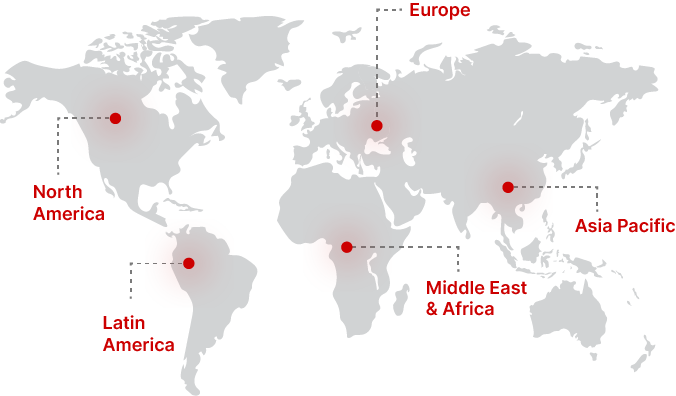
Competitive Landscape
The twist tie machine market is moderately fragmented, with several global and regional players competing based on technology, pricing, and product innovation. Leading companies are focusing on developing advanced machines with automation and smart features to gain a competitive edge. Strategic partnerships, product launches, and expansions are common strategies adopted by market participants.
One of the leading companies in the market is Bosch Packaging Technology, known for its advanced automation solutions. The company recently introduced a new range of energy-efficient twist tie machines designed for high-speed production lines. Other key players are also investing in research and development to enhance machine performance and reduce operational costs.
Key Players
- Bosch Packaging Technology
- Ishida Co., Ltd.
- Pro Mach Inc.
- Fuji Machinery Co., Ltd.
- PAC Machinery
- Triangle Package Machinery Co.
- Syntegon Technology
- Omori Machinery Co., Ltd.
- Hayssen Flexible Systems
- Viking Masek
- All-Fill Inc.
- Matrix Packaging Machinery
- WeighPack Systems Inc.
- Mespack
- Nichrome India Ltd.
Recent Developments
- In 2024, Syntegon Technology launched an advanced twist tie machine with IoT-enabled monitoring features for improved efficiency.
- In 2025, Pro Mach Inc. expanded its product portfolio by introducing compact twist tie machines for small-scale manufacturers.
- In 2025, Ishida Co., Ltd. developed an energy-efficient twist tie machine designed to reduce power consumption by 15%.
Twist Tie Machine Market Segments
Type
- Automatic Twist Tie Machines
- Semi-Automatic Twist Tie Machines
- Manual Twist Tie Machines
Application
- Food Packaging
- Industrial Packaging
- Agriculture Packaging
End-Use
- Food Processing Industry
- Retail & Consumer Goods
- Industrial Manufacturing
By Region
- North America
- Europe
- APAC
- Middle East and Africa
- LATAM