Vegan Protein Ball Market Size, Share & Demand Report By Ingredient Type (Organic, Conventional, Fortified), By Distribution Channel (Supermarkets & Hypermarkets, Convenience Stores, Online Retail, Specialty Stores), By End User (Fitness Enthusiasts, Athletes, General Consumers), By Region & Segment Forecasts, 2026–2034
USD 3950
Market Overview
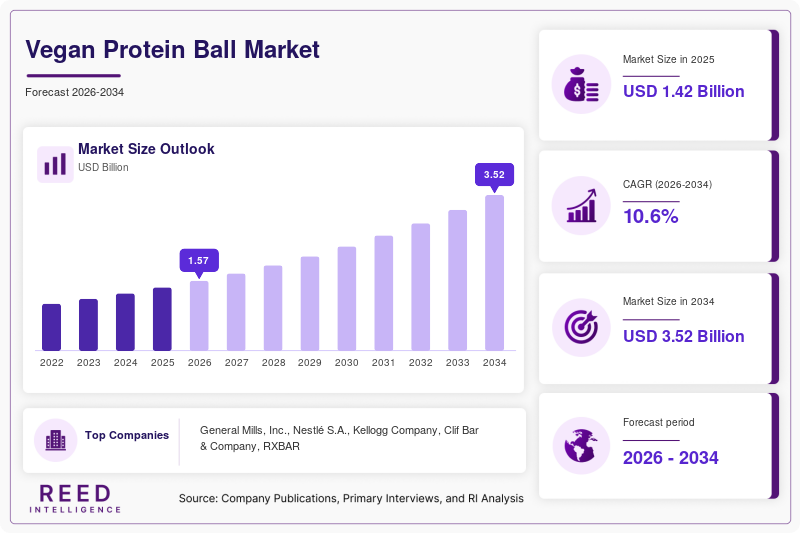
The global Vegan Protein Ball Market size was valued at approximately USD 1.42 billion in 2026 and is projected to reach USD 3.18 billion by 2034, expanding at a CAGR of 10.6% during the forecast period (2026–2034). The market has experienced steady growth due to the rising demand for plant-based snacks that combine nutrition with convenience. Consumers are increasingly adopting vegan diets and flexitarian lifestyles, which has driven demand for portable, high-protein, and clean-label snack options such as vegan protein balls. These products are often made from ingredients such as nuts, seeds, dates, oats, and plant-based protein powders, aligning with health-conscious consumption patterns.
A key global factor supporting market growth is the increasing awareness of sustainable food consumption. As environmental concerns and ethical considerations influence purchasing decisions, consumers are shifting toward plant-based alternatives that have a lower carbon footprint compared to animal-derived products. This shift is particularly evident among urban populations and younger demographics, contributing to the expansion of the vegan snack segment.
Key Highlights
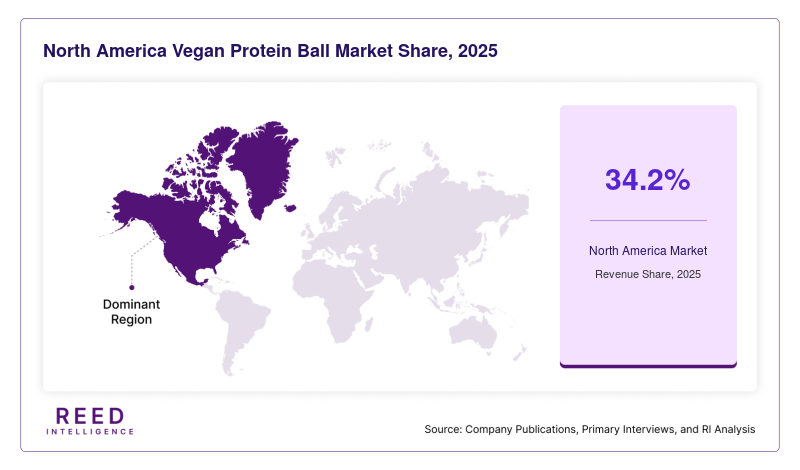
- North America dominated the market with a 34.2% share.
- Asia Pacific is expected to register the fastest CAGR of 12.8%.
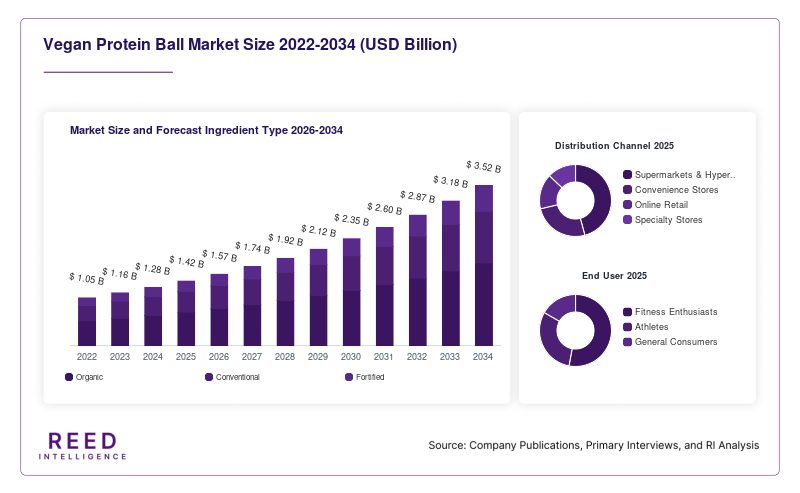
- The organic ingredient segment led with a 58.6% share, while fortified protein balls are projected to grow at a CAGR of 13.2%.
- The United States recorded market values of USD 420 million in 2024 and USD 460 million in 2025, maintaining its leadership position.
Market Trends
Rising Demand for Functional and Clean-Label Snacks
The Vegan Protein Ball Market is witnessing a notable shift toward functional and clean-label snack products. Consumers are no longer satisfied with basic nutritional offerings; instead, they seek snacks that provide added health benefits such as energy boosting, immunity support, and digestive health. Vegan protein balls are increasingly formulated with superfoods like chia seeds, flaxseeds, spirulina, and plant-based protein isolates, enhancing their functional appeal. Clean-label trends are also influencing product formulations, with manufacturers removing artificial preservatives, refined sugars, and synthetic additives. Transparent labeling and minimal ingredient lists are becoming key differentiators in retail environments. This trend is particularly strong in developed markets, where consumers are more informed about ingredient sourcing and nutritional value, driving continuous product innovation.
Expansion of E-commerce and Direct-to-Consumer Channels
Digital transformation is reshaping the distribution landscape of the Vegan Protein Ball Market. E-commerce platforms and direct-to-consumer (DTC) channels are gaining traction as consumers prefer convenient online purchasing options. Brands are leveraging social media marketing, subscription models, and personalized nutrition offerings to engage consumers directly. Online platforms allow smaller and emerging brands to compete with established players by offering niche products and customized bundles. Additionally, the availability of detailed product descriptions, customer reviews, and targeted promotions enhances consumer confidence and purchasing decisions. This trend is expected to accelerate market penetration in regions with growing internet accessibility, contributing to sustained revenue growth.
Market Drivers
Increasing Adoption of Plant-Based Diets
The growing adoption of plant-based diets is a primary driver of the Vegan Protein Ball Market. Consumers are increasingly shifting toward vegan and vegetarian lifestyles due to health, ethical, and environmental concerns. Vegan protein balls offer a convenient way to meet daily protein requirements without relying on animal-based products. This trend is supported by rising awareness about the health benefits of plant-based nutrition, including improved heart health, better digestion, and weight management. Food manufacturers are responding by expanding their vegan product portfolios and investing in research and development to improve taste, texture, and nutritional value. The increasing availability of plant-based protein sources such as pea protein, rice protein, and hemp protein further supports product innovation and market growth.
Growing Demand for On-the-Go Healthy Snacks
Modern lifestyles characterized by busy schedules and urbanization have led to increased demand for convenient and nutritious snack options. Vegan protein balls cater to this need by offering portable, ready-to-eat products that provide sustained energy and satiety. These snacks are particularly popular among fitness enthusiasts, working professionals, and students who require quick energy boosts throughout the day. The rise of fitness culture and increasing participation in physical activities have also contributed to the demand for high-protein snacks. Retail expansion, including supermarkets, convenience stores, and online platforms, has further improved product accessibility, driving overall market growth.
Market Restraint
High Product Cost and Limited Price Accessibility
One of the primary restraints affecting the Vegan Protein Ball Market is the relatively high cost of products compared to conventional snack alternatives. Vegan protein balls often use premium ingredients such as organic nuts, seeds, plant-based protein isolates, and natural sweeteners, which increase production costs. These higher costs are passed on to consumers, making the products less accessible to price-sensitive populations, particularly in developing regions. Additionally, the use of sustainable and ethically sourced ingredients further adds to the overall cost structure.
The impact of this restraint is evident in emerging markets where consumers prioritize affordability over premium health products. For example, in regions with lower disposable income levels, traditional snacks remain more popular due to their lower price points. This limits the market penetration of vegan protein balls despite growing awareness of their health benefits. Manufacturers face the challenge of balancing product quality with cost efficiency. Efforts to scale production, optimize supply chains, and introduce smaller packaging sizes are being explored to address this issue. However, achieving widespread affordability without compromising quality remains a significant challenge for industry participants.
Market Opportunities
Product Innovation and Flavor Diversification
The Vegan Protein Ball Market presents significant opportunities for product innovation and flavor diversification. Consumers are increasingly seeking unique taste experiences, prompting manufacturers to experiment with new flavor combinations such as matcha, cacao-orange, peanut butter-chocolate, and tropical fruit blends. The incorporation of regional flavors tailored to local preferences can enhance market acceptance and expand consumer reach. Additionally, the development of specialized products targeting specific dietary needs, such as gluten-free, keto-friendly, and allergen-free options, creates new growth avenues. Continuous innovation in texture, packaging, and shelf life further strengthens product appeal and supports market expansion.
Expansion into Emerging Markets
Emerging markets offer untapped potential for the Vegan Protein Ball Market due to rising urbanization, increasing disposable incomes, and growing health awareness. Countries in Asia Pacific, Latin America, and the Middle East are witnessing a gradual shift toward healthier eating habits, creating opportunities for plant-based snack products. The expansion of modern retail infrastructure and e-commerce platforms facilitates product availability in these regions. Strategic partnerships with local distributors and targeted marketing campaigns can help companies establish a strong presence. Additionally, government initiatives promoting sustainable and plant-based food consumption further support market growth in these regions.
Segmental Analysis
By Ingredient Type
The organic ingredient segment dominated the Vegan Protein Ball Market in 2024, accounting for a 58.6% share. Consumers are increasingly prioritizing products made with natural and organic ingredients, driven by concerns about chemical additives and synthetic preservatives. Organic vegan protein balls are perceived as healthier and safer, making them a preferred choice among health-conscious consumers. Manufacturers are focusing on sourcing certified organic ingredients and highlighting these attributes on product labels to attract consumers. The premium positioning of organic products also allows companies to maintain higher profit margins, further supporting segment growth.
The fortified protein ball segment is expected to be the fastest-growing, with a CAGR of 13.2% during the forecast period. These products are enriched with additional nutrients such as vitamins, minerals, and plant-based protein isolates, catering to consumers seeking enhanced nutritional benefits. The growing demand for functional foods and dietary supplements is driving this segment. Manufacturers are investing in research and development to create innovative formulations that address specific health needs, such as immunity support and muscle recovery.
By Distribution Channel
Supermarkets and hypermarkets held the largest share of 46.3% in 2024, driven by their extensive product offerings and wide consumer reach. These retail channels provide consumers with the opportunity to compare different brands and products, enhancing purchasing decisions. The availability of promotional offers and discounts further attracts consumers. Additionally, the presence of dedicated health food sections in supermarkets supports the visibility and accessibility of vegan protein balls.
Online retail is the fastest-growing distribution channel, with a CAGR of 14.1%. The convenience of online shopping, coupled with the availability of a wide range of products, is driving this segment. E-commerce platforms allow consumers to access detailed product information, read reviews, and compare prices, enhancing their purchasing experience. The increasing adoption of smartphones and internet connectivity is further supporting the growth of online retail channels.
By End User
Fitness enthusiasts dominated the market in 2024, accounting for a 41.7% share. This segment includes individuals who actively engage in physical activities and seek high-protein snacks to support their fitness goals. Vegan protein balls provide a convenient and nutritious option for pre- and post-workout consumption. The growing popularity of fitness centers and health clubs is contributing to the expansion of this segment.
The general consumer segment is expected to grow at the fastest CAGR of 11.9%. This growth is driven by increasing awareness of healthy eating habits and the rising adoption of plant-based diets among the broader population. Vegan protein balls are gaining popularity as a healthier alternative to traditional snacks, attracting a diverse consumer base. Marketing campaigns and product innovations are further driving the growth of this segment.
Regional Analysis
North America
North America accounted for a 34.2% share of the Vegan Protein Ball Market in 2025 and is projected to grow at a CAGR of 9.8% during the forecast period. The region’s dominance is driven by high consumer awareness of plant-based nutrition and strong demand for functional snack products. The presence of established market players and advanced retail infrastructure further supports growth. Additionally, the increasing popularity of fitness and wellness trends contributes to the widespread adoption of vegan protein balls among health-conscious consumers.
The United States remains the dominant country in this region, supported by a well-developed health food industry and high disposable income levels. A unique growth factor is the strong influence of fitness culture and gym-based nutrition trends. Consumers actively seek protein-rich snacks that align with their fitness goals, driving demand for vegan protein balls. The availability of diverse product options across retail and online channels further strengthens market growth.
Europe
Europe held a significant share of 28.5% in 2025 and is expected to grow at a CAGR of 10.1%. The region’s market is driven by increasing adoption of vegan and vegetarian diets, particularly in countries such as Germany, the United Kingdom, and the Netherlands. Regulatory support for clean-label and organic products also contributes to market expansion. Consumers in Europe prioritize sustainability and ethical sourcing, which aligns with the attributes of vegan protein balls.
Germany leads the market in Europe, driven by strong demand for organic and plant-based food products. A unique growth factor is the region’s emphasis on environmental sustainability. Consumers are highly conscious of the environmental impact of their food choices, leading to increased demand for plant-based snacks. This trend is supported by government initiatives promoting sustainable consumption.
Asia Pacific
Asia Pacific is the fastest-growing region, with a projected CAGR of 12.8% and a 2025 market share of 21.3%. Rapid urbanization, rising disposable incomes, and increasing health awareness are key factors driving growth. The expansion of modern retail formats and e-commerce platforms further enhances product accessibility. Additionally, the growing influence of Western dietary trends is contributing to the adoption of vegan snacks in the region.
China dominates the Asia Pacific market due to its large population and expanding middle class. A unique growth factor is the increasing prevalence of lifestyle-related health issues, which has led consumers to adopt healthier eating habits. The demand for convenient and nutritious snacks is driving the growth of vegan protein balls, particularly in urban areas.
Middle East & Africa
The Middle East & Africa region held a 8.7% share in 2025 and is expected to grow at a CAGR of 9.3%. The market is gradually expanding due to increasing health awareness and the introduction of plant-based products in urban centers. The region’s young population and growing interest in fitness and wellness trends are contributing to market growth. However, limited product availability in rural areas remains a challenge.
The United Arab Emirates is a key market in this region, driven by a high expatriate population and growing demand for premium health products. A unique growth factor is the expansion of specialty health food stores and fitness centers. These outlets promote vegan protein balls as part of a healthy lifestyle, supporting market growth.
Latin America
Latin America accounted for a 7.3% share in 2025 and is projected to grow at a CAGR of 9.7%. The region is experiencing increasing demand for healthier snack options due to rising health awareness and urbanization. The expansion of retail chains and online platforms is improving product accessibility. Additionally, the growing popularity of plant-based diets is contributing to market growth.
Brazil leads the Latin American market, supported by a large consumer base and increasing interest in fitness and wellness. A unique growth factor is the influence of sports and active lifestyles. Consumers are increasingly seeking protein-rich snacks to support their physical activities, driving demand for vegan protein balls.
Competitive Landscape
The Vegan Protein Ball Market is moderately fragmented, with a mix of established players and emerging brands competing for market share. Leading companies focus on product innovation, strategic partnerships, and expanding their distribution networks to strengthen their market position. The competitive environment is characterized by the introduction of new flavors, clean-label products, and functional formulations.
One of the leading players in the market is General Mills, Inc., which has expanded its plant-based snack portfolio through product innovation and acquisitions. A recent development includes the launch of a new range of vegan protein snacks targeting health-conscious consumers. Other key players are focusing on enhancing their online presence and leveraging digital marketing strategies to reach a broader audience. The entry of new startups offering niche and customized products further intensifies competition in the market.
Key Players
- General Mills, Inc.
- Nestlé S.A.
- Kellogg Company
- Clif Bar & Company
- RXBAR
- The Simply Good Foods Company
- Nature’s Bakery
- Vega (Danone)
- Garden of Life
- Orgain, Inc.
- Sunwarrior
- No Cow
- Bounce Foods
- Nutree Life
- 22 Days Nutrition
Recent Developments
- In 2025, General Mills, Inc. introduced a new line of plant-based protein snacks with enhanced nutritional profiles.
- In 2024, Nestlé S.A. expanded its vegan snack portfolio by launching protein balls with organic ingredients in European markets.
- In 2025, Clif Bar & Company partnered with online retail platforms to strengthen its direct-to-consumer distribution network.
Vegan Protein Ball Market Segments
Ingredient Type
- Organic
- Conventional
- Fortified
Distribution Channel
- Supermarkets & Hypermarkets
- Convenience Stores
- Online Retail
- Specialty Stores
End User
- Fitness Enthusiasts
- Athletes
- General Consumers
By Region
- North America
- Europe
- APAC
- Middle East and Africa
- LATAM